USDA Appraisal and Inspection Requirements Explained
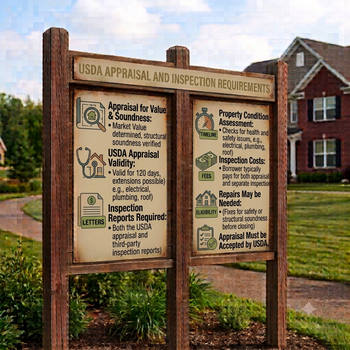 USDA appraisal and inspection requirements
protect both borrowers and lenders by confirming a property is safe,
habitable, and worth the purchase price. These requirements are
mandatory for all USDA loans and must be completed before loan
approval.
USDA appraisal and inspection requirements
protect both borrowers and lenders by confirming a property is safe,
habitable, and worth the purchase price. These requirements are
mandatory for all USDA loans and must be completed before loan
approval.
USDA inspection requirements ensure rural homes
meet minimum standards for health, safety, and basic functionality.
An appraisal confirms the property value supports
the loan amount.
Understanding these requirements helps you
prepare for the inspection and appraisal process.
What Are USDA Appraisal and Inspection Requirements?
The USDA appraisal is an assessment of your property's market value conducted by a licensed professional. The USDA inspection requirements ensure the property meets minimum health and safety standards. These are separate processes that both happen during your loan approval timeline.
Your lender orders the USDA appraisal after you have an accepted offer on a property. The inspection requirements may include mandatory reviews of the roof, foundation, plumbing, electrical systems, and overall structural integrity.
USDA appraisal and inspection costs typically range from $700 to $1,200 total depending on property size and location. These costs appear in your USDA closing costs.
Understanding USDA Appraisal Requirements
The USDA appraisal is a professional assessment of your property's current market value. The appraiser examines the home's condition, size, location, and comparable properties to determine fair market value. This value determines how much the USDA will lend on the property.
The USDA appraisal process includes:
- Detailed inspection of interior and exterior
- Measurement of all rooms and living spaces
- Assessment of property condition and quality
- Research of comparable properties in your area
- Written report documenting findings and value
Your lender uses the USDA appraisal value to
determine your maximum loan amount. If the appraisal
comes in lower than your offer price, you may need to renegotiate
with the seller or increase your down payment.
Appraisals
typically take 5 to 10 business days after the appraiser visits the
property.
What Are USDA Inspection Requirements?
USDA inspection requirements establish minimum standards for properties financed with USDA loans. These standards focus on health, safety, and basic functionality of the home. A property must meet all inspection requirements or the borrower must agree to make required repairs.
Areas covered by USDA inspection requirements include:
- Structural integrity and foundation condition
- Roof condition and remaining life expectancy
- Plumbing system functionality and safety
- Electrical system adequacy and safety
- Heating and cooling system operation
- Kitchen and bathroom functionality
- Water supply and waste disposal systems
- Pest damage and structural problems
The USDA does not require cosmetic upgrades or luxury
improvements. Inspection requirements focus on
making sure the home is safe to live in and systems work properly.
A home with dated but functional systems can still meet
USDA inspection requirements.
Home Inspection vs. USDA Appraisal
Many borrowers confuse home inspections with USDA appraisals. While both evaluate properties, they serve very different purposes and provide different information.
| Feature | USDA Appraisal | Home Inspection |
|---|---|---|
| Primary Purpose | Determine property market value | Identify repair needs and problems |
| Who Orders It | Your lender (required) | You order it (optional but recommended) |
| Who Pays | Borrower pays lender | Borrower pays inspector |
| Focus | Property value and comparable sales | Detailed inspection of all systems |
| Report Type | Market value conclusion | Item-by-item condition report |
| Pass or Fail | No pass/fail, just value opinion | Lists problems found |
USDA appraisals are required for loan approval. Home inspections
are optional but highly recommended since they identify problems
before you buy.
Many borrowers order both services to understand
the full picture of property value and condition.
USDA Inspection and Repair Requirements
USDA inspection requirements specify repairs that must be completed before closing. If an inspection identifies defects that violate USDA requirements, the seller must fix them or the borrower must agree to repairs after closing.
Common repairs required by USDA inspection requirements include:
- Roof repairs or replacement if nearing end of life
- Foundation repairs for structural damage
- Electrical system upgrades for safety
- Plumbing repairs for functionality
- Septic system repairs or replacement
- Well water treatment if contaminated
- Pest damage remediation
- Mold remediation if present
The USDA requires that major systems have reasonable remaining
useful life. A roof with only two years left may not meet
inspection requirements.
Sellers often negotiate to
make repairs before closing to keep sales moving forward.
Timeline for USDA Appraisal and Inspection
Understanding the timeline for USDA appraisal and inspection helps you plan your purchase. These processes happen during your loan approval period.
Typical timeline for USDA appraisal and inspection:
- Day 1: Offer accepted, lender orders appraisal
- Day 3 to 5: Appraiser schedules and conducts appraisal
- Day 7 to 10: Appraiser completes report and submits to lender
- Day 5 to 7: You order and schedule home inspection
- Day 7 to 14: Home inspector conducts inspection and provides report
- Day 15 to 21: Review reports and address any issues
- Day 30: Lender makes final approval based on findings
This timeline is approximate and varies by location and
circumstances. Communicate with your lender about USDA
appraisal and inspection status regularly.
Any
significant issues identified in appraisals can delay approval, so
addressing them quickly is important.
USDA Appraisal and Property Value Issues
Sometimes the USDA appraisal comes in lower than the purchase price. This situation creates challenges that need resolution before closing.
Options when USDA appraisal is lower than offer price:
- Renegotiate the purchase price with the seller
- Pay the difference between appraisal and offer price in cash
- Request the seller reduce the price to match appraisal
- Walk away from the deal if lender financing cannot proceed
- Appeal the appraisal if you believe it is inaccurate
A low USDA appraisal means the lender will not
finance above the appraised value. You cannot borrow more than the
property is worth according to the professional assessment.
Addressing this issue early prevents closing delays and surprises.
USDA Inspection Requirements for Special Property Types
Different property types have specific USDA inspection requirements. Mobile homes, farms, and multi-unit properties have additional considerations.
USDA inspection requirements for different properties:
- Manufactured homes require secure installations and utility hookups
- Properties with septic systems need proper maintenance records
- Wells require water quality testing and treatment if needed
- Farms must have viable agricultural potential
- Multi-unit properties require individual unit inspections
- Properties near flood zones need elevated structures or flood insurance
If you are buying a
manufactured home or rural property with unique features,
discuss inspection requirements with your lender.
Special property types may require specialized inspections
beyond standard home inspections.
Ordering a Home Inspection for USDA Loans
While the USDA does not require a separate home inspection, ordering one is highly recommended. A home inspection identifies problems that the USDA appraisal may miss.
Steps to order a home inspection for your USDA loan:
- Find a licensed home inspector in your area
- Schedule inspection soon after offer acceptance
- Plan to be present during the inspection
- Ask inspector to document all findings in detail
- Request separate reports for major systems
- Review report immediately and discuss findings with inspector
- Share report with your lender if significant issues exist
- Negotiate repairs based on findings
Home inspection costs typically range from $300 to $500 depending
on property size. This investment can save you thousands by
identifying problems before purchase.
Many borrowers include
home inspection as a contingency in their purchase offer.
Common Issues Found in USDA Inspections
Understanding common problems that inspectors find helps you prepare. Most rural properties have some issues that require attention or repair.
Common issues found in USDA inspections:
- Aging roofs with limited remaining life
- Plumbing issues like outdated pipes or slow drains
- Electrical systems that need upgrading for safety
- HVAC systems near end of useful life
- Water or moisture damage to structure
- Pest damage or infestation signs
- Missing or improper ventilation
- Inadequate insulation for the climate
Not all issues require seller repairs. Minor issues may be
acceptable, or you may negotiate credits instead of requiring
repairs.
Discuss with your lender which issues must be resolved
before USDA inspection requirements are satisfied.
Preparing Your Property for USDA Appraisal
If you are selling a property that needs to meet USDA inspection requirements, preparing it properly helps the appraisal process. Making the property accessible and clean benefits the appraiser and inspector.
Preparation steps for USDA appraisal and inspection:
- Unlock all doors so inspectors can access all areas
- Clear attic, basement, and crawl spaces for inspection
- Ensure electrical panels are accessible
- Make sure water heater and HVAC systems can be viewed
- Provide access to septic systems and wells
- Clean properties to allow clear visibility of conditions
- Have maintenance records available for major systems
- Fix obvious safety hazards before inspection
Good preparation does not change the inspection results, but it
helps inspectors complete thorough evaluations.
Properties that
present well and provide easy access tend to get more favorable
reports overall.
Appraisal Contingencies in Your Purchase Offer
Smart borrowers include appraisal contingencies in purchase offers. An appraisal contingency protects you if the USDA appraisal comes in lower than your offer price.
Appraisal contingency benefits include:
- Right to renegotiate if appraisal is lower
- Ability to walk away without penalty if appraisal problem exists
- Protection against overpaying for the property
- Leverage to get the seller to address issues
Most sellers accept appraisal contingencies as standard practice.
This protection is important for USDA borrowers who cannot borrow
above appraised value.
Always include an appraisal contingency
unless circumstances are unusual.
USDA Appraisal and Inspection Appeal Process
If you believe an appraisal or inspection is inaccurate, you can request an appeal. The appeal process allows you to provide evidence supporting a different conclusion.
Steps to appeal USDA appraisal and inspection findings:
- Document your concerns about the appraisal or inspection
- Gather comparable properties or expert opinions
- Contact your lender and request an appeal review
- Submit documentation to support your position
- Request a second appraisal if lender permits
- Work with your real estate agent to support your case
- Follow lender timelines for appeal responses
USDA qualification depends on accurate appraisals, so appeals
are taken seriously. If you believe an appraisal is wrong, discuss
this with your lender promptly.
Waiting too long to appeal can
jeopardize your closing date.
Frequently Asked Questions About USDA Appraisal and Inspection
Is a home inspection required for a USDA loan?
USDA does not require a separate home inspection, but the property must meet USDA inspection requirements through the appraisal process. However, ordering your own home inspection is highly recommended. A professional home inspection identifies specific problems that help you negotiate repairs or credits. This protects you and provides detailed information about the property condition.
What happens if my property fails the USDA inspection?
Properties do not technically fail USDA inspection requirements, but they may have defects that must be addressed. If significant issues exist, the seller must repair them or you must accept the property as-is. You can also negotiate repair credits and make improvements after purchase. The lender will not approve the loan if life-safety issues are not resolved.
Can I get the appraisal waived for my USDA loan?
USDA appraisals cannot be waived. Your lender requires an appraisal for every USDA loan. The appraisal protects both you and the lender by confirming property value. Even though appraisals cost $400 to $600, this expense is standard for all mortgage loans regardless of type.
How long does the USDA appraisal process take?
USDA appraisals typically take 7 to 10 business days from when the appraiser schedules the inspection. The appraiser visits the property, takes measurements and photos, researches comparable properties, and writes a detailed report. Delays can occur if the appraiser is busy or if accessing the property is difficult. Communicate with your lender about appraisal status regularly.
Can the seller be present during the USDA inspection and appraisal?
The seller can be present during these processes, but many appraisers prefer to work alone. The appraiser focuses on property condition and value without distraction. Home inspectors generally allow owners to be present. If you are buying the property, being present during inspection helps you understand findings and ask questions directly.
Moving Forward with USDA Appraisal and Inspection
USDA appraisal and inspection requirements protect you by ensuring the property is worth its purchase price and meets minimum standards. While these requirements take time and cost money, they provide valuable protection.
Understanding these processes helps you prepare for appraisal and
inspection visits. Order your own home inspection to get detailed
information about property condition.
Work with your lender to
address any issues identified in appraisals or inspections promptly,
keeping your purchase timeline on track.
Connect With Us
Please share – it really helps