Asbestos and USDA Loans
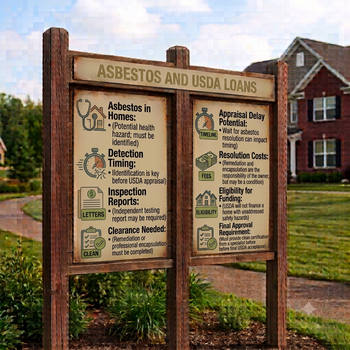 Asbestos-containing materials in homes create significant
complications for USDA loan approval. The USDA maintains strict
property standards that address asbestos hazards, and appraisers
must identify these materials during property evaluations.
Properties containing asbestos may require remediation before USDA
loan approval. Understanding USDA asbestos requirements helps
borrowers and sellers navigate the loan process successfully.
Asbestos-containing materials in homes create significant
complications for USDA loan approval. The USDA maintains strict
property standards that address asbestos hazards, and appraisers
must identify these materials during property evaluations.
Properties containing asbestos may require remediation before USDA
loan approval. Understanding USDA asbestos requirements helps
borrowers and sellers navigate the loan process successfully.
Homes built before the 1980s frequently contain asbestos in insulation, flooring, and roofing products. The EPA banned most asbestos products in 1989 due to documented health dangers, but existing materials remain in many older homes borrowers seek to finance with USDA loans. USDA guidelines require properties to be safe and free from health hazards, as disturbing asbestos-containing materials releases dangerous fibers into the air.
What Is Asbestos and Where USDA Appraisers Find It
Asbestos is a naturally occurring mineral fiber prized for heat resistance and durability. Manufacturers mixed it into thousands of products for insulation and fireproofing throughout the twentieth century. Modern regulations restrict its use due to documented health risks. Building materials used it extensively until the 1980s.
Common locations for asbestos-containing materials in homes include pipe insulation, floor tiles, ceiling tiles, acoustic ceiling spray, roofing shingles, wall insulation, popcorn ceilings, textured wall coatings, vinyl floor tiles and adhesive products, and drywall joint compounds.
Asbestos appears in several mineral forms, including chrysotile, amosite, and crocidolite. Different types have varying danger levels and removal requirements. Friable materials release fibers easily when disturbed, while non-friable asbestos-containing materials are more stable but still hazardous when damaged. USDA property standards address both types.
USDA Appraisal Standards and Asbestos
USDA appraisers follow strict guidelines when evaluating properties containing asbestos-containing materials. The appraiser documents suspected materials and their location within the property. USDA property standards require asbestos materials to be either removed or properly encapsulated. Damaged materials that pose health risks must be remediated before loan approval. Properties with visible, undamaged asbestos-containing materials in good condition may proceed with remediation plans. Friable asbestos materials or damaged asbestos must be abated before closing. The USDA appraiser determines whether materials constitute a health hazard based on their condition.
Properties with properly remediated asbestos appraise higher than properties with untreated materials. USDA appraisers deduct estimated remediation costs from property value if asbestos abatement is required. High asbestos abatement costs can substantially reduce appraised value. If the appraised value falls below the purchase price, buyers face loan complications.
Health Risks and Medical Effects of Asbestos
Asbestos exposure causes serious illnesses including mesothelioma, lung cancer, and asbestosis. Inhaled asbestos fibers lodge in lung tissue and cause inflammation and scarring. Disease development takes years or decades after exposure. Family members and occupants in asbestos-contaminated homes face lifetime health risks.
No amount of asbestos exposure is considered completely safe. Even minimal exposure creates a lifetime risk of disease. Family members of workers exposed to asbestos develop diseases from contaminated clothing and secondhand exposure. Children exposed to asbestos in homes face decades of disease risk. USDA property standards reflect concerns about protecting occupants from asbestos hazards.
Smokers exposed to asbestos fibers face dramatically increased lung cancer risk. Tobacco smoke damages lung tissue already inflamed by asbestos. The combined effect increases cancer risk far beyond either exposure alone. Occupants of homes with asbestos who smoke face particular danger.
Asbestos Inspection and Testing Before USDA Purchase
Professional asbestos inspection identifies suspect materials and determines whether asbestos is present before USDA purchase. Certified inspectors visually examine materials and collect samples for laboratory analysis. The inspector documents the locations and conditions of suspected asbestos-containing materials. Laboratory testing with polarized light microscopy confirms the presence of asbestos. The inspection report guides USDA appraisal decisions about removal or encapsulation.
USDA borrowers should obtain a professional asbestos inspection before making an offer on older properties. The inspection report provides documentation that satisfies USDA appraisal requirements. Buyers should never disturb suspected asbestos materials by cutting, sanding, or removing samples. Disturbance releases dangerous asbestos fibers into the air. Professional inspectors use specialized techniques to collect samples safely.
The EPA requires that only certified professionals collect and test asbestos samples. Proper equipment and containment procedures prevent fiber release during testing. USDA appraisers rely on professional inspection reports and laboratory results when evaluating status. Documentation of inspection and testing procedures satisfies USDA property standards.
Asbestos Abatement and USDA Loan Approval
Professional asbestos abatement safely removes or encapsulates asbestos-containing materials before USDA loan closing. Licensed abatement contractors follow strict EPA protocols during removal. Containment procedures prevent fibers from spreading to uncontaminated areas. Workers wear protective equipment including respirators and protective clothing. Proper removal protects both workers and future occupants from exposure.
Encapsulation involves sealing materials to prevent fiber release. Sealant coatings or plastic barriers prevent fibers from becoming airborne. Encapsulation works for stable, non-friable materials in good condition. The sealed materials remain in place but pose no health risk. The EPA accepts encapsulation as a solution when removal is not feasible. USDA appraisers accept properly documented encapsulation as meeting property standards.
Complete removal involves taking out materials and disposing of them properly. Contractors use containment tents to isolate work areas. Negative air pressure systems prevent fibers from escaping during removal. Workers place contaminated materials in sealed bags and transport them to licensed disposal facilities. After removal, contractors thoroughly clean and test all surfaces for fiber residue.
The EPA maintains databases of licensed asbestos abatement contractors in each state. Borrowers and sellers should verify contractor licensing and insurance. References from previous projects help evaluate contractor quality and reliability. Proper removal costs thousands of dollars depending on material extent and location. Hiring qualified contractors prevents improper removal that leaves hazardous fibers behind and jeopardizes USDA approval.
USDA Property Standards and Asbestos Requirements
USDA property standards explicitly address asbestos-containing materials as potential health and safety hazards. The appraiser must identify and document all visible materials. Materials that are damaged, deteriorating, or friable require immediate remediation. Non-friable materials in good condition may be acceptable if properly encapsulated or documented. USDA guidelines require that all asbestos abatement be completed before loan approval in most cases. The appraiser will not approve the property unless asbestos hazards are properly addressed.
Sellers who complete asbestos abatement before listing improve marketability and the likelihood of loan approval. Documented removal and testing prove that asbestos no longer poses risks to USDA borrowers. USDA lenders may require independent verification of asbestos remediation before closing. Third-party inspectors may be hired to confirm that remediation meets USDA standards. The cost of verification is typically the borrower's responsibility. Clear documentation of all remediation work satisfies USDA requirements and protects the lender.
Asbestos and Property Appraisals for USDA Loans
Properties containing asbestos-containing materials appraise lower than similar properties without asbestos unless properly remediated. USDA appraisers deduct remediation costs from property value if abatement is required before closing. High asbestos abatement costs can substantially reduce appraised value. If the appraised value falls below the purchase price, USDA borrowers may face complications with loan approval.
The appraiser documents asbestos status as part of the USDA property appraisal report. This documentation becomes part of the loan file and is reviewed by the lender. Lenders use appraisal findings to determine whether remediation is required before approval. Properties with professionally remediated asbestos appraise higher than properties with unaddressed materials.
USDA appraisers consider the cost-benefit of encapsulation versus removal when evaluating properties. If encapsulation is significantly less expensive and meets USDA standards, this approach may be acceptable. Detailed cost estimates from licensed contractors help appraisers make remediation determinations. Clear documentation of remediation plans and timelines satisfies USDA appraisal requirements.
Asbestos Disclosure Requirements for USDA Transactions
Sellers must disclose known asbestos materials to potential USDA buyers before property sale. Failure to disclose asbestos violates consumer protection laws in most states. USDA regulations require honest transaction information about property hazards. Buyers discovering undisclosed asbestos can terminate purchases or pursue legal remedies.
Real estate agents must provide asbestos hazard disclosure information in USDA transactions. The EPA requires that buyers receive asbestos education materials before purchase. Transparency about asbestos hazards protects both buyers and sellers in USDA-financed deals. Lenders may withdraw approval if sellers conceal material property defects like asbestos.
USDA buyers have the right to inspect for asbestos-containing materials and negotiate remediation. Buyers can request price reductions reflecting remediation costs or require seller-completed abatement. Both parties should understand asbestos disclosure requirements and remediation obligations. Clear agreements prevent disputes and delays in USDA property transactions.
Asbestos in Different Material Types
Chrysotile asbestos was the most commonly used form in building materials. This white mineral fiber was found in insulation wrapping, ceiling tiles, and flooring products. Amosite and crocidolite are brown and blue asbestos varieties that were less common but more dangerous. Different types of asbestos require specific removal procedures. Laboratory testing identifies which asbestos form is present in building materials.
Friable asbestos materials release fibers easily and pose immediate danger that requires professional removal before USDA approval. Non-friable asbestos materials are more stable but still hazardous when damaged and may be acceptable if properly encapsulated. Pipe insulation and thermal protection contain significant asbestos concentrations and frequently require professional removal. Floor tiles and vinyl products contain asbestos bonded with other materials and require careful removal procedures. Roofing shingles and tar products contain asbestos for fire resistance and may require removal or encapsulation. Sprayed-on insulation and acoustic coatings frequently contain friable asbestos requiring professional abatement.
Asbestos-containing drywall joint compounds and patching materials were widely used in residential construction. Sanding these compounds during renovation releases hazardous asbestos fibers. A professional assessment determines whether asbestos-containing compounds are present before any drywall work begins. USDA appraisers assess whether drywall compound remediation is required.
Asbestos in vinyl flooring appears in both tiles and sheet products. Asbestos fibers bond with vinyl and adhesive to form composite materials. Removal of older vinyl floors requires special procedures to prevent fiber release. The EPA prohibits disturbing asbestos-containing flooring without proper procedures and containment measures in place.
USDA Regulations and Legal Requirements for Asbestos
The EPA established regulations controlling asbestos use and requiring disclosure of asbestos-containing materials. The National Emission Standard for Asbestos sets standards for removal and disposal. State and local regulations often exceed federal standards. USDA property standards incorporate EPA and state regulatory requirements.
Property owners must comply with all applicable regulations when addressing asbestos materials for USDA transactions. Violations result in significant fines and legal liability that can jeopardize loan approval. Contractors performing work must verify that all asbestos procedures are followed before and during remediation.
USDA lenders require evidence of regulatory compliance and proper contractor licensing. Documentation showing that remediation was performed by EPA-certified contractors satisfies lender requirements. Proof of proper disposal at licensed facilities is required for complete removal projects. Maintaining detailed records of all remediation work protects borrowers and lenders.
Contractors performing renovation work in older homes must assume materials contain asbestos unless proven otherwise. Before starting work, contractors must perform asbestos inspections. Licensed abatement contractors handle removal before renovation proceeds. Improper handling of asbestos materials during renovation creates serious liability that affects property value and USDA approval.
Asbestos in Older vs. Newer Homes and USDA Approval
Homes constructed before 1980 very likely contain asbestos-containing materials. Common insulation, flooring, and roofing products used during this era often contained asbestos. The prevalence of asbestos materials increases in homes built before 1970. Homes constructed in the 1940s and 1950s frequently contain significant asbestos concentrations.
Pre-1940 homes almost certainly contain asbestos in multiple locations requiring professional assessment. 1940-1970 homes typically contain asbestos in insulation and flooring products. 1970-1980 homes frequently contain asbestos, though more awareness existed by this period. 1980-1989 homes may contain some asbestos in existing products, though new installation was restricted. Post-1989 homes rarely contain asbestos except in imported materials requiring laboratory confirmation.
Homes built after 1989 are unlikely to contain asbestos-containing materials because EPA regulations banned most products. Some materials imported from countries with fewer restrictions may contain asbestos. Even newer homes can have asbestos-containing imported products. Laboratory testing confirms that materials are asbestos-free rather than assuming newer homes are safe.
Historic properties and homes built during specific decades face particular asbestos risks that complicate USDA approval. Homes renovated in recent decades may have new materials over old asbestos-containing materials. These buried materials can become exposed during future renovation. A professional assessment determines whether asbestos-containing materials exist beneath newer finishes. Planning renovations requires understanding the property's complete asbestos status.
Asbestos Prevention and Safety Practices for USDA Occupants
Preventing asbestos exposure protects family members and maintains USDA property value. Avoiding disturbance of suspected asbestos-containing materials is the primary prevention strategy. Covering or sealing materials prevents fiber release. Keeping asbestos materials in good condition reduces hazards. Education about asbestos dangers helps families make safe decisions about renovation and remediation.
USDA borrowers should restrict renovation activities in areas with suspected asbestos materials. Renting professional equipment for testing and encapsulation costs less than dealing with exposure health problems. Taking time to verify asbestos status before starting work prevents costly mistakes and protects property value. Families living in homes with asbestos-containing materials should minimize dust and maintain good air quality. Regular cleaning and ventilation reduce potential fiber levels in living spaces.
Frequently Asked Questions About Asbestos and USDA Loans
Will asbestos prevent USDA loan approval?
Homes containing asbestos-containing materials can still receive USDA loan approval if the materials are properly managed and remediated. Documented encapsulation or remediation satisfies USDA lender requirements. Undisturbed materials in good condition may be acceptable if disclosed and documented. Damaged asbestos or friable materials typically require removal before USDA closing. Buyers should discuss asbestos status with USDA lenders early in the loan process. Transparent disclosure and proper remediation allow USDA loans to proceed successfully.
Does my USDA property contain asbestos materials?
Homes built before 1980 very likely contain asbestos-containing materials in insulation, flooring, roofing, or textured finishes. The only way to know for certain is professional inspection and laboratory testing. Visual inspection cannot confirm asbestos presence because it resembles many other materials. Licensed inspectors collect samples and send them to laboratories for analysis. Assuming older materials contain asbestos until proven otherwise is the safest approach for USDA transactions.
How does asbestos affect USDA appraisals?
USDA appraisers document asbestos-containing materials and determine remediation requirements. Appraisers deduct estimated remediation costs from property value if abatement is required. Properties with properly remediated asbestos appraise at full market value. Friable or damaged asbestos materials may prevent appraisal approval until properly addressed. Documented remediation and testing prove that asbestos hazards have been eliminated.
How much does asbestos abatement cost?
Asbestos abatement costs depend on the type, location, and quantity of materials. Small projects to remove insulation or floor tiles cost $1,000 to $5,000. Extensive abatement involving multiple material types and large areas costs five thousand to fifty thousand dollars or more. Professional contractors provide estimates after assessing the project scope. Costs vary by geographic location and contractor expertise. USDA appraisers factor remediation costs into property value adjustments.
Can I remove asbestos myself in a USDA property?
The EPA prohibits homeowner removal of asbestos-containing materials except in very limited circumstances. Professional abatement contractors must handle most asbestos removal in USDA-financed properties. Improper removal releases hazardous fibers and poses serious health risks. DIY removal exposes family members and workers to asbestos and jeopardizes USDA approval. Licensed contractors have proper equipment, training, and disposal procedures. Paying for professional removal ensures safety, regulatory compliance, and USDA approval.
Is asbestos dangerous if not disturbed in my USDA home?
Undisturbed asbestos-containing materials pose less immediate danger than damaged materials. Aging or deterioration can cause fibers to break over time. Friable asbestos materials release fibers more easily than non-friable types. Regular inspections monitor material condition and identify deterioration early. Sealing or encapsulating materials prevents fiber release even if materials deteriorate. Professional assessment determines appropriate containment measures for USDA properties.
Connect With Us
Please share – it really helps