USDA Lead Based Paint Disclosure and Testing
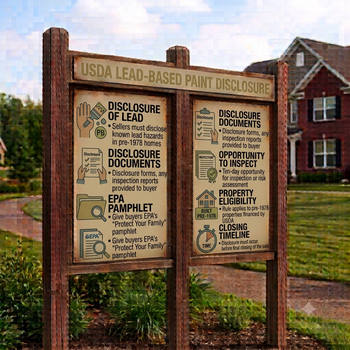 USDA lead based paint regulations require
sellers to disclose known lead paint hazards to
buyers. These federal rules protect families from the health risks
of lead based paint in homes built before 1978.
Understanding USDA lead based paint requirements
helps you protect your family when purchasing a rural home.
USDA lead based paint regulations require
sellers to disclose known lead paint hazards to
buyers. These federal rules protect families from the health risks
of lead based paint in homes built before 1978.
Understanding USDA lead based paint requirements
helps you protect your family when purchasing a rural home.
Lead based paint hazards are most common in
older homes, particularly those built before the federal ban on lead
paint in 1978. Many rural properties fall into this category.
The USDA requires full disclosure of any known lead paint
issues so buyers can make informed decisions.
What Is USDA Lead Based Paint?
USDA lead based paint refers to the federal regulations that govern how lead paint must be handled in home sales. The term "lead based paint" describes paint containing lead, a toxic substance that causes serious health problems when people are exposed to it.
Lead was commonly used in house paint until 1978 when the federal government banned it due to health risks. Homes built before that date often contain lead based paint on walls, trim, doors, windows, and other surfaces.
The USDA does not require sellers to remove lead based paint, but disclosure is mandatory. Buyers have the right to know about lead paint hazards before purchasing.
Health Risks of Lead Based Paint
Understanding the health dangers of lead based paint helps you understand why USDA disclosure requirements exist. Lead exposure causes serious health problems, especially in children.
Health risks from lead based paint exposure include:
- Brain damage and developmental delays in children
- Learning disabilities and lower IQ scores
- Behavioral problems and attention disorders
- Reduced growth and hearing problems in children
- Kidney damage and high blood pressure in adults
- Reproductive problems and pregnancy complications
- Anemia and other blood disorders
- Neurological problems affecting movement and coordination
Children under age six are at highest risk because they put hands
in their mouths and absorb lead more easily. The CDC considers no
level of lead exposure safe for children.
This is why
USDA lead based paint disclosure and testing are so
important when buying a home with young children.
USDA Lead Based Paint Disclosure Requirements
Federal law requires that all sellers disclose known lead based paint hazards to buyers. The USDA enforces these disclosure rules for rural properties financed with USDA loans.
USDA lead based paint disclosure requirements include:
- Seller must provide an EPA-approved lead paint disclosure form
- Disclosure must be made before the buyer makes an offer
- Seller must disclose any known lead paint hazards
- Seller must provide any available lead paint test results
- Buyer receives ten days to conduct lead paint testing
- Both parties must sign the disclosure document
- Lender must verify disclosure before loan approval
- Disclosure applies to all homes built before 1978
Selling a home without proper USDA lead based paint
disclosure is a serious violation. Sellers can face federal fines up
to $16,000 for failing to disclose.
This enforcement ensures
that buyers receive honest information about lead paint
hazards in homes they consider purchasing.
Lead Paint Testing and Inspection
Buyers have the right to test for lead based paint in homes built before 1978. Testing identifies whether lead paint is present and how hazardous it is.
Methods for lead based paint testing include:
- XRF (X-ray fluorescence) testing uses special equipment to detect lead
- Wet chemical testing analyzes paint samples in a laboratory
- Visual inspection identifies deteriorating paint and hazards
- Lead dust testing on floors and windowsills
- Soil testing around the home foundation
A certified lead inspector conducts professional testing, which
costs $300 to $800 depending on home size. The test results
determine whether lead based paint hazards exist
and their severity.
Many buyers include a lead inspection as
part of their home inspection process when buying older homes.
USDA Lead Based Paint Contingencies
Smart buyers include lead based paint contingencies in their purchase offers. A lead paint contingency protects you if testing reveals significant hazards.
What a lead based paint contingency typically allows:
- Right to conduct professional lead paint testing
- Right to negotiate repair costs if hazards are found
- Right to walk away from the deal if hazards are severe
- Typically allows 10 business days for testing
- Buyer can request seller pay for remediation
- Seller can choose to reduce price instead
- Either party can renegotiate based on test results
Including a lead based paint contingency in your
offer is standard practice when purchasing homes built before 1978.
Most sellers accept this contingency without objection.
This
protection is especially important if you have young children or
plan to start a family.
Lead Based Paint Remediation and Abatement
When lead based paint testing shows hazards, remediation becomes necessary. Abatement is the process of safely removing or sealing lead paint to prevent exposure.
Lead abatement methods for lead based paint include:
- Professional encapsulation seals lead paint safely
- Removal of lead paint by certified contractors
- Replacement of lead paint surfaces with new materials
- High-efficiency particle (HEPA) filtration during work
- Proper disposal of lead paint waste
- Lead dust cleanup and clearance testing
- Window and door replacement if needed
EPA-certified contractors must perform lead paint
abatement work. Improper removal creates more lead dust and
increases exposure risk.
Professional remediation costs range
from $1,000 to $10,000+ depending on the extent of lead
based paint hazards.
Negotiating Lead Paint Issues in Your Purchase
Finding lead based paint hazards does not mean you cannot buy the home. Negotiation allows you to address hazards through seller contributions or price reductions.
Negotiation strategies for lead based paint issues:
- Request seller pay for professional abatement
- Ask seller to reduce purchase price by remediation cost
- Negotiate seller completion of work before closing
- Request seller credit at closing for buyer remediation
- Combine with other repair negotiations
- Walk away if seller refuses to address serious hazards
- Use independent estimates to support your position
Sellers often prefer to reduce the price rather than conduct
expensive abatement work. This allows you to choose contractors and
control the process.
However, if lead based paint
hazards are severe, you may want seller-conducted professional
remediation to ensure proper handling.
Lead Based Paint and USDA Loan Approval
Your USDA lender requires lead based paint disclosure documentation before approving your loan. The lender verifies that the disclosure has been made and documented properly.
USDA lender verification of lead based paint includes:
- Receipt of signed EPA lead paint disclosure form
- Confirmation that disclosure was made before offer
- Documentation of any test results provided
- Agreement on how hazards will be addressed
- Verification that all parties signed disclosure
- Review of any remediation plans if needed
The USDA does not require the home to be free of lead
based paint. The requirement is disclosure and that buyers
have the opportunity to test.
Once you acknowledge the
disclosure and proceed with your purchase, the loan can move
forward.
Pre-1978 Homes and Lead Paint Concerns
All homes built before 1978 potentially contain lead based paint. Even if the current paint appears to be newer, lead paint may exist underneath.
Risk factors for lead based paint in older homes:
- Homes built before 1978 are most likely to have lead paint
- Exterior paint and trim have high lead concentration risk
- Interior woodwork and doors often contain lead paint
- Windows and their frames commonly have lead paint
- Deteriorating paint creates visible lead dust hazards
- Remodeled areas may have older layers underneath
- Child-accessible surfaces present highest risk
Many rural homes in the USDA service areas were built decades
ago. Testing older properties for lead based paint
is a wise investment in family health.
Do not assume newer paint
covers all lead hazards safely without professional confirmation.
Protecting Your Family from Lead Paint
Even if you purchase a home with lead based paint, you can reduce exposure through proper maintenance and cleaning practices.
Ways to reduce lead based paint exposure:
- Keep painted surfaces clean and free of dust
- Use damp cloths instead of dry dusting
- Wash children's hands frequently
- Clean toys and play areas regularly
- Wash dishes and utensils before eating
- Keep the home clean to control lead dust
- Have soil tested around the home
- Use doormats and remove shoes indoors
These practices reduce lead paint exposure but
do not eliminate hazards from deteriorating paint.
Professional
abatement remains the best solution for serious lead based
paint hazards in homes where children live.
Government Assistance for Lead Paint Remediation
Several programs help homeowners pay for lead based paint remediation. These programs recognize the serious health threat lead paint poses to families.
Assistance programs for lead based paint abatement include:
- HUD lead hazard control grant programs
- State and local health department programs
- Non-profit organizations offering lead abatement help
- Community development block grants
- Tax credits for lead abatement expenses
- Utility company lead safety programs
Contact your state health department or local
USDA office to ask about lead paint assistance
programs in your area.
Some programs target families with young
children or low incomes, providing grants to reduce lead
based paint hazards.
Frequently Asked Questions About USDA Lead Based Paint
Is lead paint testing required for USDA loans?
USDA does not require lead paint testing, but the seller must disclose any known lead based paint hazards. You have the right to conduct testing if you want. Testing is not mandatory but is highly recommended for homes built before 1978, especially if you have or plan to have young children. An optional 10-day period for testing is typically included in purchase contracts.
Can I buy a home with lead based paint through a USDA loan?
Yes, you can purchase a home with lead based paint using a USDA loan. The USDA does not prohibit buying homes containing lead paint. However, you must receive proper disclosure of any known hazards. You can then negotiate with the seller to address the hazards or reduce the purchase price accordingly. The key is having full disclosure and the opportunity to make an informed decision.
What if the seller does not disclose lead paint that I later find?
Failure to disclose known lead based paint is a serious federal violation. You may have legal recourse against the seller. Federal law allows buyers to recover damages for failure to disclose lead paint hazards. Contact an attorney immediately if you discover undisclosed lead paint after purchase. Documentation of the hazard and proof of non-disclosure strengthens your legal claim.
How much does professional lead paint testing cost?
Professional lead based paint testing typically costs $300 to $800 depending on home size and extent of testing. Visual inspection by a lead-certified inspector costs less than laboratory analysis. Some inspectors include lead paint testing as part of their standard home inspection. Get quotes from multiple certified lead inspectors before selecting one for your testing.
Does homeowners insurance cover lead paint removal?
Most homeowners insurance policies do not cover lead paint removal. Insurance typically covers property damage but not hazard remediation. Lead based paint abatement is considered maintenance rather than an insured loss. Check your specific policy, but plan to budget for lead paint remediation costs separately from your insurance coverage.
Moving Forward with Lead Paint Concerns
USDA lead based paint disclosure requirements protect you by ensuring transparency about hazards. While finding lead paint may seem concerning, proper disclosure allows you to make informed decisions about remediation.
If you are buying a home built before 1978, include a
lead paint contingency in your offer and conduct
professional testing. Use test results to negotiate remediation with
the seller.
With proper disclosure, testing, and remediation
planning, you can purchase a safe home for your family despite
lead paint hazards.
Connect With Us
Please share – it really helps