USDA Mold Requirements and Home Inspection Standards
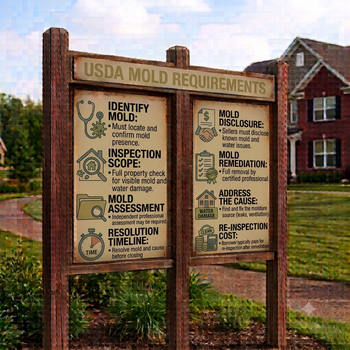 USDA mold inspection requirements protect
homeowners and property values in rural communities. The
United States Department of Agriculture sets standards for
identifying and addressing mold in homes that
receive USDA financing. Understanding USDA mold
regulations helps property owners prepare for inspections and
address problems before loan applications.
USDA mold inspection requirements protect
homeowners and property values in rural communities. The
United States Department of Agriculture sets standards for
identifying and addressing mold in homes that
receive USDA financing. Understanding USDA mold
regulations helps property owners prepare for inspections and
address problems before loan applications.
Mold growth threatens property integrity and homeowner health. The USDA requires homes purchased with USDA loans to meet specific mold inspection standards. Properties with visible mold damage may not qualify for financing until the problem is resolved. Homeowners must understand what inspectors look for and how to address mold issues that could delay or prevent loan approval.
What USDA Considers Mold Damage
The USDA defines mold damage as fungal growth that affects structural integrity or poses health risks. Not all mold visible on surfaces requires treatment. The agency distinguishes between minor surface mold and widespread damage affecting building materials. USDA mold standards focus on damage that impacts the home's safety, functionality, and value.
Surface mold on bathroom tiles or shower walls is common and typically does not prevent loan approval. However, mold growing inside walls, attics, or crawl spaces indicates moisture problems requiring repair. USDA mold inspection requirements address mold that reflects underlying water damage or ventilation failures. Inspectors look beyond visible growth to identify conditions that allow mold to develop.
Mold in homes often appears in specific locations based on moisture sources. Basements and crawl spaces accumulate moisture from groundwater or poor drainage. Attics develop mold when roof leaks occur. Bathrooms and kitchens experience mold growth from high humidity and steam. The USDA requires remediation of mold in any location that indicates water intrusion or moisture control problems.
USDA Mold Inspection Process
USDA loan appraisers inspect properties for mold damage as part of standard appraisal procedures. Appraisers receive training on recognizing mold in homes and identifying moisture sources. The appraiser documents visible mold and determines whether it reflects cosmetic issues or structural problems. This assessment affects the property's appraised value and loan approval status.
Professional mold inspections go beyond visual assessment for homes with suspected problems. A mold specialist uses moisture meters and thermal imaging to locate moisture in walls and cavities. Air quality testing reveals mold spore counts and identifies specific fungal species. Laboratory testing of samples confirms mold presence and helps determine appropriate remediation. The USDA recognizes professional mold inspection reports when evaluating properties with extensive damage.
Homeowners requesting USDA loans must disclose known mold issues or damage to structures. Attempting to hide mold damage from inspectors can result in loan denial. If an appraiser discovers mold that the seller concealed, the transaction may be canceled. Full disclosure allows the buyer and lender to make informed decisions about the property and required repairs.
Causes of Mold Development in Homes
Understanding what causes mold in homes helps property owners prevent problems. Mold requires three conditions to grow: organic material to feed on, moisture, and appropriate temperatures. Most homes contain cellulose materials that support mold, and temperatures suitable for growth. Moisture is the variable homeowners can control through proper maintenance and ventilation.
- Roof leaks allow water intrusion into attics and upper walls
- Poor exterior drainage causes groundwater to seep into basements
- Plumbing leaks create persistent moisture in walls and crawl spaces
- High humidity from bathrooms and kitchens promotes mold growth
- Inadequate ventilation prevents moisture from escaping living spaces
- Condensation on cold surfaces forms when indoor moisture meets cold walls
Older properties frequently develop mold issues due to long-term moisture exposure. Homes with previous water damage may retain hidden moisture in walls and insulation. The USDA recognizes that addressing mold in homes sometimes requires extensive repairs. Properties with history of flooding or repeated water intrusion face particular scrutiny in USDA mold inspections.
Climate and geography affect mold development in different regions. Humid climates create conditions favorable for rapid mold growth. Properties near water sources or in flood-prone areas experience higher mold risk. The USDA adjusts inspection standards based on regional climate factors and common problem areas. A property that would fail inspection in one region might pass in a drier climate with the same visible mold.
Health Risks Associated with Mold
Mold exposure causes health problems for many people. Mold spores and mycotoxins enter the lungs through inhalation. People with allergies or asthma experience increased symptoms in moldy homes. Immune-compromised individuals face severe health risks from extended mold exposure. Young children and elderly residents are particularly vulnerable to mold-related health effects.
| Health Effect | Common Symptoms | Vulnerable Groups |
|---|---|---|
| Allergic Reactions | Sneezing, itchy eyes, runny nose | Allergy sufferers |
| Asthma Triggers | Wheezing, shortness of breath, chest tightness | Asthmatic individuals |
| Respiratory Infection | Coughing, fever, difficulty breathing | Young children, elderly |
| Immune Response | Fatigue, chills, body aches | Immunocompromised people |
| Toxic Effects | Neurological symptoms, extreme fatigue | Long-term exposure residents |
The USDA prioritizes homeowner health by requiring remediation of mold damage before loan approval. Lenders recognize that homes with mold problems pose health risks. A property's value decreases when occupants face health hazards. By addressing mold issues, the USDA protects both homeowner wellbeing and investment protection.
Some mold species produce mycotoxins that cause serious health complications. Black mold, or Stachybotrys, produces particularly potent toxins. Extended exposure to toxic mold causes neurological problems and severe fatigue. The USDA mold inspection process identifies problematic mold species and determines whether professional remediation is necessary.
Mold Remediation and USDA Requirements
Properties with mold damage must be remediated before USDA loan closing. The extent of remediation depends on mold severity and underlying moisture problems. Minor surface mold can be cleaned and the moisture source addressed. Extensive mold in homes requires professional abatement and structural repairs. The USDA ensures remediation addresses root causes, not just visible growth.
Professional mold remediation follows industry standards for safe removal. Specialists use containment procedures to prevent mold spores from spreading during cleanup. They remove contaminated materials and properly dispose of affected insulation and drywall. After removing mold, professionals treat remaining materials with fungicides. The USDA accepts remediation completed by certified professionals following established protocols.
Moisture source correction is essential for permanent mold damage remediation. Simply removing visible mold without fixing the underlying water intrusion allows mold to return. Roofers must repair leaks, grading must direct water away from foundations, and ventilation must be improved. The USDA requires that homes meet these corrections before loan approval. A property failing to address root causes will not receive USDA financing.
Appraisers document remediation and verify that repairs meet USDA standards. After repairs are complete, the appraiser reinspects the property. The USDA mold reinspection confirms that all visible mold has been removed and moisture sources are corrected. Only properties passing reinspection can proceed to loan closing.
Mold Prevention Strategies for Homeowners
Preventing mold is far more cost-effective than remediation. Homeowners can implement simple strategies that reduce mold risk. Proper maintenance, ventilation, and moisture control prevent most mold problems. These preventive measures protect property value and support USDA loan approval.
Moisture control is the foundation of mold prevention. Homeowners should fix plumbing leaks immediately, even small drips waste water and create mold conditions. Run ventilation fans during and after showers to remove bathroom humidity. Open windows when weather permits to allow fresh air circulation. Ensure downspouts direct water at least four feet away from the home's foundation. Install gutters and keep them clear of debris to properly channel roof water away from the house.
Humidity management prevents condensation and mold growth in living spaces. Dehumidifiers reduce excess moisture in basements and crawl spaces. Air conditioning removes humidity while cooling the home. Programmable thermostats allow homeowners to maintain consistent temperatures that discourage mold. In winter, opening blinds during the day allows warming sunlight to dry damp surfaces.
Regular inspection identifies developing mold before it causes extensive damage. Homeowners should check basements and crawl spaces seasonally for signs of moisture. Looking under sinks reveals early plumbing leaks. Inspecting attics after heavy rain identifies roof problems. Quick action on discovered problems prevents mold from spreading. Homeowners finding mold can address small areas with cleaning. If mold covers more than ten square feet, professional remediation is appropriate.
USDA Appraisal Standards for Mold Issues
USDA appraisers use specific standards when evaluating properties with mold damage. The appraiser determines whether mold affects property habitability or structural integrity. Minor cosmetic mold does not automatically result in failed appraisal. However, mold indicating serious moisture problems prevents loan approval. The appraiser's assessment significantly impacts whether a borrower receives financing.
Appraisers rate property condition using established scales. Properties rated in fair condition with minor mold may still qualify for USDA loans if underlying issues are addressed. Properties in poor condition with extensive mold damage fail appraisal and require substantial repairs before reappraisal. The USDA sets specific repair standards that properties must meet to achieve approvable status.
The appraiser documents all mold findings in the appraisal report. Photographs show mold location and extent. The appraiser describes apparent causes and moisture conditions. Repair recommendations specify what work must be completed. Borrowers receive the appraisal report and understand exactly what repairs are necessary. This transparency helps borrowers plan remediation and avoid surprises before closing.
Appraisers may require professional mold inspection when visible damage is extensive or cause is unclear. The cost of professional inspection is separate from the appraisal fee. Laboratory testing results support the appraisal's remediation requirements. For properties with severe mold damage, professional inspection provides detailed information about restoration needs.
Mold Testing and Documentation
Mold testing identifies fungal species and spore levels in homes. Air quality tests measure mold spore concentration in living spaces. Surface sampling grows mold colonies to identify species. Moisture meter readings reveal hidden moisture in walls and materials. This testing provides objective documentation of mold conditions.
The USDA does not require mold testing for all properties. Simple visual inspection often suffices for obvious mold. Testing becomes necessary when mold presence is questionable or extent is unclear. Properties with hidden mold in walls benefit from moisture meter detection. The USDA accepts professional testing reports from certified laboratories when evaluating problem properties.
Homeowners can request testing to document that remediation resolved mold problems. Post-remediation testing confirms that professional cleanup successfully eliminated mold. Air quality testing after repair shows spore levels returned to normal. Documentation supports the appraisal reinspection and helps satisfy USDA requirements. Some homebuyers request clearance testing before taking possession to verify mold-free conditions.
Mold and Property Value in USDA Loans
Mold problems significantly reduce property value and affect USDA loan decisions. Homes with mold damage appraise at lower values than similar properties without problems. The appraiser deducts repair costs from the property's market value. If estimated repair costs are substantial, the appraised value may fall below the purchase price. When appraisals come in low, borrowers face challenges obtaining approval.
Lenders use appraised value to determine loan amounts. If mold damage reduces the appraisal below the purchase price, the USDA loan amount decreases. Borrowers must either increase their down payment or negotiate a lower purchase price. Properties with extensive mold damage may not be feasible purchases if remediation costs are high and property value is low.
The USDA recognizes that addressing mold in homes requires investment. Remediation costs vary widely depending on mold extent and moisture source severity. Surface mold cleanup costs a few hundred dollars. Extensive remediation including structural repairs can cost thousands. The USDA allows borrowers to include reasonable remediation costs in their loan amounts when repair estimates are provided.
Properties completing mold remediation before appraisal receive full value in USDA assessments. Sellers who fix problems before listing typically recover remediation costs through higher selling prices. The investment in clearing mold issues improves marketability and allows financing approval. Properties successfully addressing mold sell faster and attract more qualified buyers.
Regional Mold Concerns and Climate Factors
Geographic location affects mold development risk. Humid regions experience faster mold growth and more widespread problems. Coastal properties face increased mold risk from moisture-laden air and salt spray. Properties in flood-prone areas develop mold after water intrusion events. The USDA considers regional climate when evaluating mold damage severity.
Southern and coastal states have higher mold incidence than northern regions. Wet climates support mold growth year-round. Properties in these regions require extra attention to moisture control and ventilation. The USDA may set stricter standards for mold prevention in high-risk areas. Homeowners in humid climates benefit from proactive dehumidification and ventilation systems.
- Humid subtropical climates promote rapid mold growth
- Coastal properties face salt water damage and moisture intrusion
- Properties near swamps or wetlands have constant moisture exposure
- Mountain properties experience temperature fluctuations causing condensation
- Desert regions rarely develop mold except near water sources
- Flood-prone areas develop mold after water events even without visible damage
Seasonal variations affect mold development patterns. Winter moisture from heating systems condenses on cold surfaces. Summer humidity creates indoor moisture problems. Spring flooding causes temporary water intrusion. The USDA requires that homes withstand seasonal moisture challenges without developing mold. Properties must have proper drainage, ventilation, and moisture control for all seasons.
Disclosure and Legal Issues Regarding Mold
Property sellers must disclose known mold problems to potential buyers. Failure to disclose mold damage violates consumer protection laws in most states. Buyers who discover undisclosed mold can terminate purchases or sue for damages. The USDA expects honest transaction information. Lenders may withdraw approval if sellers conceal material property defects.
Real estate agents and property sellers have legal obligations regarding mold disclosure. Known moisture problems, previous water damage, and visible mold must be reported. Sellers cannot claim lack of knowledge when signs indicate mold risk. The USDA appraisal process often reveals hidden problems that should have been disclosed. Discovery of concealed mold can result in loan denial or legal action against the seller.
USDA borrowers should hire professional home inspectors to evaluate properties before purchase. Thorough inspections reveal mold and moisture problems. Buyers can make informed decisions with complete property information. If problems are discovered, buyers can negotiate repairs, request price reductions, or walk away from unsuitable purchases. Professional inspections provide documentation supporting negotiation leverage.
Mobile home properties present particular mold challenges due to construction materials and ventilation limitations. The USDA carefully evaluates manufactured homes for mold. Water intrusion around windows and doors accelerates mold development. Mobile home owners must maintain excellent moisture control to prevent problems that compromise USDA loan eligibility.
Frequently Asked Questions About USDA Mold
Can a house with mold qualify for a USDA loan?
Yes, a house with mold can qualify for a USDA loan if the mold is remediated before closing. The USDA requires that all mold damage be repaired and underlying moisture problems resolved. Remediation must be completed by qualified professionals following industry standards. After repairs are finished, the property must pass reinspection confirming that all mold is gone and moisture sources are corrected. Once these requirements are met, the property can receive USDA financing approval.
Who pays for mold remediation in a USDA loan transaction?
Typically the seller pays for mold remediation before the property sells. However, negotiation between buyer and seller determines responsibility. In some cases, buyers may agree to pay for repairs and request a lower purchase price. USDA rules allow repair costs to be incorporated into the loan amount if the buyer funds remediation. The key requirement is that remediation must be completed and verified before the USDA loan closes. Both parties should understand their obligations regarding mold repairs.
How much does professional mold remediation cost?
Mold remediation costs depend on damage extent, type of mold, and required repairs. Minor surface mold cleanup costs between five hundred and two thousand dollars. Moderate mold in attics or crawl spaces costs two thousand to ten thousand dollars. Extensive damage affecting multiple areas can cost ten thousand to fifty thousand dollars or more. Costs vary significantly based on whether structural repairs are needed and materials requiring replacement. Professional contractors provide estimates after inspecting specific mold problems.
Can I clean mold myself to save money?
Small areas of surface mold can be cleaned by homeowners using bleach or commercial mold cleaners. However, professional remediation is necessary for mold affecting more than ten square feet or located in walls, attics, or crawl spaces. The USDA requires professional remediation for significant mold damage. Improper cleanup can spread mold spores and worsen problems. Additionally, homeowners lack specialized equipment and containment procedures to safely remove contaminated materials. Professional remediators ensure work meets USDA standards and prevents future mold development.
Will mold problems prevent USDA loan approval permanently?
Mold damage alone does not permanently prevent USDA loan approval. Remediation and repair of moisture sources allow properties to qualify. However, if a property has repeated mold problems indicating persistent moisture issues, the USDA may deny approval even after cleanup. Properties with structural damage from water intrusion affecting multiple areas pose long-term challenges. Buyers should be cautious about purchasing properties with extensive water damage history. The USDA prioritizes properties where remediation provides lasting solutions without recurring problems.
Connect With Us
Please share – it really helps