Understanding USDA Septic Systems for Rural Properties
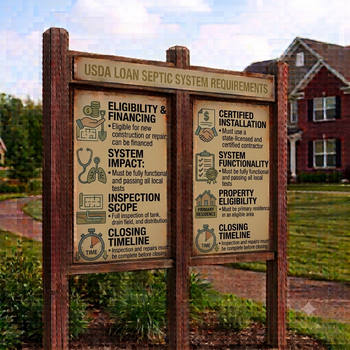 USDA septic systems serve as essential
wastewater treatment solutions for rural homeowners and properties
located in areas without municipal sewer connections. The
United States Department of Agriculture recognizes the
importance of proper septic system installation and maintenance in
rural communities. These systems protect groundwater, prevent
environmental contamination, and ensure public health safety for
families living outside city limits.
USDA septic systems serve as essential
wastewater treatment solutions for rural homeowners and properties
located in areas without municipal sewer connections. The
United States Department of Agriculture recognizes the
importance of proper septic system installation and maintenance in
rural communities. These systems protect groundwater, prevent
environmental contamination, and ensure public health safety for
families living outside city limits.
Rural properties throughout America depend on septic systems to manage household wastewater. The USDA offers loans, grants, and technical assistance to help property owners install and maintain compliant systems. Understanding USDA septic system requirements helps homeowners make informed decisions about their wastewater treatment options.
What Makes USDA Septic Systems Different
USDA septic systems must meet specific regulatory standards that vary by state and local jurisdiction. The USDA Rural Development program provides financing and guidance to ensure rural homeowners can afford proper wastewater treatment. These systems work differently from municipal sewer networks because they rely on natural soil absorption and bacterial decomposition to treat waste.
A septic system installed with USDA funding requirements typically includes several key components working together. The USDA ensures that septic systems meet environmental protection standards before approving loans or grants. Property owners must understand how their system functions to maintain it properly and prevent costly repairs.
Components of Rural Septic Systems
Every USDA-eligible septic system contains essential parts that work together to treat wastewater safely. The main septic system components include the septic tank, distribution box, and drain field. Understanding each part helps homeowners recognize when maintenance is needed.
- The septic tank collects and stores wastewater from household plumbing
- Bacteria in the tank break down solid materials through natural processes
- Partially treated liquid flows to the distribution box for drainage
- The drain field allows treated wastewater to soak into soil layers
- Soil naturally filters remaining contaminants before water reaches groundwater
The septic tank serves as the heart of any USDA septic system. This underground container receives all household wastewater through drain pipes. Inside the tank, heavy solids settle to the bottom while grease and oils float to the top. Bacteria naturally present in wastewater begin breaking down organic materials through anaerobic digestion.
A properly functioning septic tank separates solids from liquids over several days. The clearer middle layer flows out of the tank toward the distribution box for further treatment. Regular septic tank pumping removes accumulated solids that bacteria cannot completely decompose. Most homeowners need pumping every three to five years, depending on tank size and household usage.
USDA Septic System Installation Standards
The USDA Rural Development program requires septic systems to meet strict installation standards across all eligible properties. Professional installers must follow specific codes when setting up USDA-approved septic systems. These standards protect property values, ensure public health, and prevent groundwater contamination in rural areas.
| Requirement | Standard | Purpose |
|---|---|---|
| Soil Testing | Percolation test required before installation | Confirms soil drainage capability |
| Distance from Water Sources | Minimum 50-100 feet from wells | Protects drinking water safety |
| Tank Size | Based on bedroom count and usage | Ensures adequate treatment time |
| Drain Field Size | Calculated from soil percolation rate | Allows proper wastewater absorption |
| Permit Requirements | Local health department approval | Maintains regulatory compliance |
Before installing a septic system, property owners must have their soil tested. A percolation test measures how quickly water drains through the soil. Soils that drain too slowly may require alternative systems like raised beds or mound systems. The USDA ensures septic system designs match actual soil conditions on each property.
Local health departments enforce septic system installation codes to protect public health and environmental safety. A licensed professional must design and install the system according to state and local regulations. The installer measures distances from wells, property lines, and surface water. Once construction is complete, a health inspector verifies the system meets all USDA septic system code requirements before the homeowner can use it.
Financing Your USDA Septic System
The USDA Rural Development program offers several financing options to help rural homeowners afford septic system installation and repairs. Property owners in eligible rural areas can access grants, loans, and guaranteed loan programs. These USDA septic system financing options make modern wastewater treatment affordable for rural families.
USDA Direct Loans provide low-interest financing directly to eligible borrowers. Interest rates are based on household income and property location. USDA-guaranteed loans work through private lenders who receive federal guarantees. Property owners can also combine USDA septic system grants with loans to reduce their borrowing needs. Some rural communities qualify for additional assistance programs through state agricultural departments.
Income limits determine which USDA financing programs a homeowner can access. Households must also meet credit and employment requirements set by USDA Rural Development. The agency prioritizes septic system loans for properties lacking adequate wastewater treatment. A property without any system or with a failing system qualifies for USDA septic system funding more easily than improvements to existing systems.
Common USDA Septic System Problems and Solutions
Rural septic systems can develop problems if owners neglect routine maintenance or ignore warning signs. Common septic system issues include slow drains, odors, wet spots in the yard, and sewage backup into the home. Understanding these problems helps homeowners take corrective action before expensive damage occurs.
- Slow drains throughout the home indicate a full tank or clogged distribution box
- Persistent odors suggest decomposition problems or system failure
- Wet areas near the drain field mean the system is not absorbing properly
- Sewage backing into the home requires immediate professional attention
- Bright green grass over the drain field indicates excess moisture
A failing septic system threatens property value and groundwater quality. Property owners must act quickly when they notice signs of septic system failure. The USDA recognizes that septic system repair costs create hardship for rural families. This is why USDA Rural Development offers emergency repair loans for systems that have failed or are failing.
Regular maintenance prevents most septic system problems. Having the tank pumped every three to five years removes solids that reduce system capacity. Installing a septic system inspection port allows professionals to monitor system health without extensive digging. Homeowners should keep records of all maintenance and repairs to document septic system history.
Best Practices for Septic System Maintenance
Protecting your USDA septic system requires consistent maintenance and careful use. Simple daily habits prevent most system failures and extend the life of your installation. Homeowners who understand septic system care avoid expensive repairs and protect their property investment.
Water conservation protects septic system function because excessive water overwhelms the tank's treatment capacity. Installing low-flow toilets and faucets reduces daily household water consumption. Fixing leaking pipes prevents thousands of gallons from entering the system unnecessarily. Spreading laundry use throughout the week instead of doing multiple loads in one day keeps water volume manageable.
What goes down the drain matters as much as how much water enters the system. Homeowners must never flush items labeled non-flushable. Paper towels, diapers, feminine hygiene products, and cat litter jam pumps and clog distribution lines. Chemical drain cleaners kill the bacteria that break down waste. Cooking grease hardens in pipes and reduces system efficiency. Household chemicals like bleach and pesticides damage the bacterial colonies essential for treatment.
Professional septic system inspection services use cameras and sensors to assess system condition. An inspector can spot developing problems before they become emergencies. Many professionals recommend annual inspections for systems over ten years old. Written inspection reports help track system performance over time and identify maintenance patterns.
USDA Septic System Regulations and Compliance
Federal and state regulations govern USDA septic systems to ensure they protect public health and environmental quality. The USDA works with state health departments to establish standards that all septic system installations must follow. Property owners must maintain compliance to avoid fines or system replacement orders.
State environmental agencies regulate septic system operation and set standards for system design and maintenance. Local health departments issue septic system permits and conduct inspections. Property owners receive documents detailing their specific system's requirements and maintenance schedule. These regulations vary by state, so homeowners should check with their local health department for specific requirements.
When a property changes ownership, the new owner becomes responsible for septic system compliance and maintenance. Many home purchase agreements require septic system inspection before closing. A professional inspection reveals whether the system meets current codes and is functioning properly. Some buyers request USDA septic system repairs or tank pumping before taking possession of the property.
Property owners who plan significant renovations or additions must notify their local health department. Expanding a home's bedrooms or bathrooms changes the septic system's required capacity. The system may need enlargement if the original installation no longer matches the property's actual use. The USDA recognizes that property improvements sometimes require septic system upgrades and offers financing assistance for these projects.
Choosing Between System Types for USDA Properties
Not all rural properties can use conventional gravity-fed septic systems. Soil conditions, property size, and slope determine which system type works best. The USDA approves various system designs to accommodate different property situations. Understanding system options helps property owners and professionals select the most suitable treatment solution.
Standard gravity systems work well on properties with sloping terrain and well-draining soil. Conventional septic systems cost less to install than alternative types. USDA financing is readily available for standard systems because they meet traditional design standards. These systems typically require less ongoing maintenance than alternative systems.
- Conventional gravity systems work on properties with adequate slope and good drainage
- Mound systems elevate the drain field above normal soil level
- Aerobic treatment units add oxygen to speed decomposition
- Sand filter systems pass wastewater through multiple sand layers
- Constructed wetland systems mimic natural wetland treatment processes
Mound systems work on flat properties or areas with poor drainage. The system elevates the drain field above the natural soil surface using sand and gravel. This design allows gravity to help distribute treated wastewater. USDA septic system approval for mound systems requires documented soil test results showing why conventional systems won't work.
Aerobic treatment units add mechanical aeration to speed up the decomposition process. These systems produce more highly treated effluent than standard tanks. Properties near groundwater or sensitive areas may require aerobic systems to provide extra treatment. Mobile home communities sometimes use aerobic treatment due to space limitations. The USDA approves aerobic system financing when site conditions require this enhanced treatment approach.
USDA Septic System and Groundwater Protection
Protecting groundwater quality motivates strict USDA septic system regulations. Rural properties rely on wells for drinking water. Septic systems installed near water sources risk contaminating the water supply if they malfunction or fail. The USDA enforces minimum distances between septic systems and wells to ensure water safety.
Groundwater moves slowly through soil layers, sometimes taking years to travel from the drain field to a well. A failing septic system near a well can contaminate drinking water before the problem becomes obvious. Testing well water regularly helps property owners detect contamination early. The USDA recommends well testing whenever a homeowner suspects septic system problems.
Seasonal water table fluctuations affect septic system performance in some areas. During wet seasons, high groundwater levels can prevent proper drainage. The USDA requires soil percolation testing under worst-case conditions. This ensures septic systems function properly even during unusually wet weather. Some properties need drainage improvements before septic system installation can proceed.
Future Improvements and USDA Support
Technology continues to improve septic system design and treatment efficiency. New approaches reduce environmental impact and increase system reliability. The USDA evaluates emerging technologies and updates approval lists as new systems prove their effectiveness. Rural property owners can access USDA financing for qualifying advanced systems.
Smart monitoring systems now alert homeowners to potential problems before system failure occurs. Remote sensors track tank levels, flow rates, and system performance. These devices help prevent emergencies by providing early warning. USDA septic system loans increasingly support these monitoring technologies as their value becomes proven.
Recovery and recycling systems are being developed to reuse treated septic effluent for irrigation and other purposes. These systems reduce freshwater consumption while protecting groundwater. As regulations adapt to support water conservation, the USDA may fund more reuse systems. Property owners interested in advanced treatment should consult with local health departments and USDA Rural Development offices about available options.
Preparing for USDA Septic System Funding Applications
Rural property owners seeking USDA septic system loans or grants must prepare required documentation. The application process requires proof of need, income verification, and property information. Understanding what documents to gather speeds up the approval process.
The USDA Rural Development office requires a completed loan application form and detailed property description. Homeowners must provide identification documents and proof of residency. A soil percolation test report and site map help the USDA evaluate whether a conventional system will work on the property. If alternatives are needed, professional recommendations support the application.
Income limits for USDA septic system financing vary by county and program type. The USDA publishes current income limits for each county so applicants can self-screen. Meeting income requirements is one of several eligibility criteria. USDA loan officers work with applicants throughout the process to complete all necessary paperwork.
Frequently Asked Questions About USDA Septic Systems
How often should I have my USDA septic system pumped?
Most homeowners need their septic tank pumped every three to five years. Tank pumping frequency depends on tank size, number of household members, and water usage habits. A professional pumper inspects the tank during each visit and recommends more frequent service if solids accumulate faster than expected. Large households with high water use may need pumping every two to three years. Keeping records of pumping dates helps you track the system's performance over time.
What areas qualify for USDA septic system financing?
Rural areas designated as eligible by the USDA qualify for septic system financing. The USDA defines eligible rural areas as communities with populations under 50,000 that lack adequate municipal services. Most farmland, small towns, and sparsely populated areas qualify for USDA funding. Some suburban areas near large cities are not eligible. Contact your local USDA Rural Development office to confirm whether your property qualifies for septic system programs.
Can I install a septic system myself to save money?
Property owners cannot legally install their own septic systems in most states. Licensed professionals must design and install systems to meet health and safety codes. The USDA requires professional installation for all systems financed through their programs. Attempting DIY installation can result in system failure, health hazards, groundwater contamination, and significant fines. Professional installers have the training and equipment necessary to ensure the system works properly and passes inspections.
What happens if my septic system fails?
A failing septic system must be repaired or replaced immediately to prevent health hazards and environmental damage. Signs of failure include sewage backup, persistent odors, and wet areas in the yard. Emergency repairs can cost thousands of dollars. The USDA offers emergency repair loans to help property owners address failing systems. In some cases, the system can be repaired through pumping and cleaning. Severe failures require system redesign or replacement.
Are there grants available for septic system installation?
The USDA offers grants through the Rural Community Development Grant program for qualifying projects. Grant funding is limited and highly competitive. Most property owners receive loans rather than grants, though combining grants with loans can reduce the total amount borrowed. Agricultural operations and water systems typically receive higher grant priority than individual property improvements. Contact your USDA Rural Development office to learn about current grant availability and your eligibility.
Alternative Titles (Best Choice Listed First)
BEST TITLE: USDA Septic Systems: Complete Guide for Rural Homeowners (68 characters)
Understanding USDA Septic Systems for Rural Properties (57 characters)
USDA Septic System Requirements and Financing Options (55 characters)
Rural Septic Systems: What USDA Homeowners Need to Know (56 characters)
How USDA Programs Support Rural Septic System Installation (58 characters)
Alternative H1s (Best Choice Listed First)
BEST H1: Understanding USDA Septic Systems for Rural Properties
USDA Septic Systems: A Complete Guide for Homeowners
Everything Rural Homeowners Should Know About Septic Systems
USDA Septic System Installation, Maintenance, and Financing
Rural Septic Systems and USDA Support Programs Explained
Alternative Meta Descriptions (Best Choice Listed First)
BEST META: Learn about USDA septic systems for rural homes. Discover installation requirements, maintenance tips, and USDA funding options for your property. (126 characters)
USDA septic system guide covers installation, maintenance, financing, and repair options for rural homeowners. Find grants and low-interest loans available. (149 characters - exceeds limit)
Understand USDA septic systems including installation standards, maintenance schedules, and available financing through USDA Rural Development programs. (149 characters - exceeds limit)
BEST META #2: USDA septic systems serve rural homes without sewer access. Learn installation, maintenance, and financing options through USDA Rural Development. (126 characters)
BEST META #3: Septic system guide for USDA-eligible rural properties. Covers installation standards, maintenance, problem-solving, and USDA loan programs. (126 characters)
Two-Sentence Hooks (Best Choice Listed First)
BEST HOOK: Rural homeowners without sewer access depend on septic systems for safe wastewater treatment. The USDA offers loans, grants, and technical assistance to help property owners install and maintain compliant systems that protect groundwater and property values.
USDA septic systems protect the health and environment of rural communities. Understanding installation requirements, maintenance schedules, and available financing helps homeowners make informed decisions about their wastewater treatment options.
Proper septic system installation and maintenance prevent environmental damage and protect drinking water sources. The USDA Rural Development program provides funding and guidance for rural homeowners facing septic system challenges.
Septic systems treat household wastewater for rural properties located far from municipal sewer connections. The USDA recognizes the importance of proper system maintenance and offers affordable financing options for installation and repairs.
A failing septic system threatens property value and groundwater quality for rural households. The USDA supports septic system projects through loans and grants that make modern wastewater treatment affordable for families in eligible rural areas.
Connect With Us
Please share – it really helps