USDA Termite Inspection and Treatment Requirements
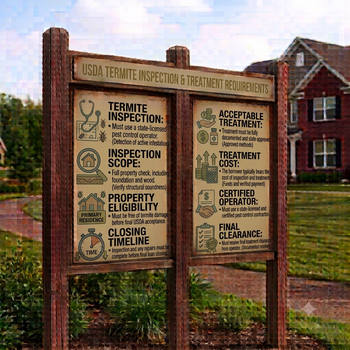 USDA termite inspection requirements protect
rural homeowners from costly structural damage. Termites
destroy wood structures causing serious property damage that
decreases home value. The USDA requires
termite inspection for properties financed through rural
development programs. Understanding termite damage
risks and inspection standards helps homeowners protect their
properties and maintain loan eligibility.
USDA termite inspection requirements protect
rural homeowners from costly structural damage. Termites
destroy wood structures causing serious property damage that
decreases home value. The USDA requires
termite inspection for properties financed through rural
development programs. Understanding termite damage
risks and inspection standards helps homeowners protect their
properties and maintain loan eligibility.
Termites in homes consume wood and cellulose materials critical to structural integrity. Termite infestations cause damage that weakens foundations and framing. Properties with active termite problems fail appraisal and require treatment before loan approval. Professional termite inspection identifies infestations before serious damage develops. The USDA ensures borrowers receive properties free from active termites through mandatory inspection standards.
Understanding Termites and Property Threats
Termites are wood-eating insects that live in colonies containing thousands of individuals. Worker termites feed on wood and cellulose materials inside homes. Queen termites continuously reproduce, expanding colony size and feeding power. A single colony consumes cellulose materials throughout a property creating extensive damage. Understanding termite behavior helps homeowners recognize infestation signs and respond quickly.
Different termite species pose different threats to homes. Subterranean termites live in soil and build mud tubes accessing wood above ground. Drywood termites live inside wood without soil contact and are harder to detect. Dampwood termites prefer moist wood in humid climates. The most destructive species varies by geographic location. Professional termite inspection identifies which species are active and what treatments are needed.
Termite colonies grow progressively and consume more wood as they expand. Early detection stops damage before structural problems develop. A small infestation can grow to massive colony size within months. Established termite infestations cause irreversible damage to wooden structures. Annual termite inspection detects problems at earliest stages when treatment is most effective.
Signs and Symptoms of Termite Infestation
Homeowners can recognize termite infestations by specific warning signs visible in and around homes. Mud tubes running up foundation walls from soil to wood indicate subterranean termite activity. Termites build these tubes for protection while traveling to food sources. Visible mud tubes confirm termite presence requiring immediate professional treatment. Destroying the tubes does not stop termites because the colony remains active in soil.
Wood damage from termites appears as hollow wood with thin outer shells. Termites consume wood from inside leaving surface layers intact. Tapping wood reveals hollow sounds where termites have removed material. Damaged wood becomes soft and crumbles easily under pressure. Foundation damage from termites threatens structural safety and requires immediate repair.
Discarded termite wings indicate recent termite swarms releasing reproductive individuals. Piles of shed wings near windows or doors show where termite swarms emerged. Swarms occur during warm months when new colonies establish themselves. Finding wings is an urgent sign requiring professional termite inspection and treatment. The presence of wings confirms active infestation and reproduction.
Frass, or termite droppings, accumulates in piles beneath infested wood. These tiny pellets differ from sawdust because they are uniform and compact. Visible frass indicates active drywood termite infestations. Foundation cracks and leaning walls suggest advanced termite damage affecting structural integrity. Any of these signs warrants immediate professional evaluation and treatment.
USDA Termite Inspection Procedures
USDA appraisers inspect properties for termite damage as part of standard property evaluations. Appraisers examine accessible wood surfaces including siding, trim, and foundation wood. They look for visible termite damage, mud tubes, and infestation signs. If appraisers suspect termite activity, they may recommend professional termite inspection. The appraiser documents all findings affecting property condition and value.
Professional termite inspectors are certified specialists trained to detect termite infestations. Inspectors examine basements, crawl spaces, and attics where termites hide. They probe walls and wood members to identify hollow areas. Using specialized equipment like moisture meters and thermal imaging, inspectors locate termite activity. The comprehensive inspection produces a detailed report documenting findings and treatment recommendations.
Appraisers require professional termite inspection when visible signs of termite activity appear during initial evaluation. The professional inspection costs a few hundred dollars but protects against costly surprise damage. Reports from certified termite inspectors carry weight in loan approval decisions. The USDA accepts treatment recommendations from licensed professionals.
Termite Treatment and Remediation Methods
Professional termite treatment eliminates active infestations and prevents future problems. Chemical barrier treatments create zones around foundations that kill termites. Termiticides applied to soil around homes prevent subterranean termites from entering structures. Regular applications maintain protective barriers for years. The USDA recognizes properly applied chemical treatments as standard pest management practices.
Bait systems target termite colonies using poisoned food sources. Termites consume bait and carry poison back to colonies. Colony elimination takes weeks or months as bait spreads through the population. Bait stations placed around homes provide ongoing monitoring and control. This method works against subterranean termites before colonies become massive.
Heat treatments kill termites in drywood infestations by raising interior temperatures to lethal levels. Professionals seal the structure and use equipment to heat entire homes or sections. Drywood termites cannot escape the heat and die throughout the property. This treatment is expensive but effective for severe infestations. The USDA accepts heat treatment as a valid remediation method.
Liquid barrier treatments applied at foundation level prevent termite entry from soil. Termiticide solutions create chemical barriers in the ground around foundations. Proper application requires drilling and injection beneath concrete slabs. Professional contractors ensure complete coverage protecting entire structures. These barriers last years and provide long-term protection against termite infestations.
Termite Damage Assessment and Repair
Termite damage assessment determines structural safety and repair needs. Inspectors use specialized probes to measure wood density and identify damage depth. Severely damaged wood loses strength and cannot support structural loads. Foundation sills compromised by termites require replacement. Structural engineers evaluate whether damage affects building safety and stability.
| Damage Level | Structural Impact | Repair Requirements |
|---|---|---|
| Minor surface damage | Cosmetic only, no strength loss | Surface treatment or paint |
| Moderate damage | Some strength loss, local weakness | Partial wood replacement |
| Severe damage | Significant strength loss, structural concern | Full member replacement |
| Critical damage | Structural failure risk, unsafe | Major structural repairs required |
| Extensive damage | Multiple areas compromised, severe | Professional engineering and restoration |
Repair costs vary based on damage extent and location. Surface repairs cost hundreds of dollars. Foundation and framing repairs cost thousands. Extensive structural damage can cost tens of thousands of dollars. The USDA allows repair costs to be included in loan amounts when estimates are provided. Buyers can negotiate repairs or request price reductions reflecting restoration expenses.
Treatment and repair expenses appear in the appraisal and loan analysis. Sellers may complete repairs before sale to improve property value. Buyers can request that sellers address termite damage before closing. Both approaches allow loan approval to proceed. Complete remediation of termite problems becomes a condition of loan funding.
Termite Damage and Property Appraisals
Properties with termite damage appraise lower than comparable properties without infestation history. Appraisers deduct repair costs from property value. Active termite infestations substantially reduce appraised value due to ongoing damage risk. If appraisals come in low due to termite problems, buyers face loan complications. Properties successfully treated for termites with ongoing warranties appraise higher than untreated properties.
Appraisers assess whether termite treatment has been completed and verified. Professional treatment documentation and warranties support property value. Homes with recent termite inspection reports showing clean results appraise at full value. Properties with treatment warranties providing years of protection appeal to appraisers. The investment in professional termite treatment typically recovers through higher property values.
Properties completing structural repairs from termite damage before sale receive full market value. Buyers feel confident purchasing homes where termite problems have been professionally addressed. Documentation of treatment and ongoing monitoring proves termite risk is managed. The USDA values properties with complete termite remediation history.
Geographic Termite Risk and Regional Factors
Termite risk varies by geographic location and climate. Southern states and humid regions experience year-round termite activity. Northern climates see seasonal termite problems with reduced winter activity. Coastal properties in warm regions face maximum termite risk. The USDA considers regional termite prevalence when setting inspection requirements. Properties in high-risk zones face mandatory professional termite inspection.
- Southern states have the highest termite pressure and most aggressive species
- Coastal humid regions create ideal conditions for termite colonies
- Areas with heavy rainfall increase termite activity and wood moisture
- Wooded properties near forests experience higher termite risks
- Properties with mulch and vegetation near foundations attract termites
- Northern climates limit termite activity to warmer months
Certain termite species dominate different regions. Formosan termites are highly destructive and prevalent in southern and coastal areas. Subterranean termites pose threats throughout most of North America. Drywood termites concentrate in southwestern and western properties. Understanding local termite species helps homeowners recognize specific risks and treatment needs.
Soil conditions affect subterranean termite populations. Clay soils retain moisture attracting termites. Sandy soils drain quickly reducing termite habitat. Properties with poor drainage and damp soil experience more termite activity. Improving drainage and reducing soil moisture decreases termite risk. The USDA recognizes that site conditions influence termite management strategies.
Termite Prevention and Long-Term Management
Prevention is more cost-effective than treating established termite infestations. Reducing moisture around foundations prevents termite attraction. Proper drainage, gutters, and downspouts direct water away from homes. Maintaining clearance between soil and wood siding eliminates termite pathways. Removing dead wood, stumps, and mulch from near foundations reduces food sources.
Annual termite inspections detect problems before serious damage develops. Regular monitoring allows early treatment of new infestations. Homeowners can catch termites at initial colony stages when treatment is easiest. Professional inspectors recommend preventive treatment in high-risk areas. Ongoing vigilance protects property investment and prevents costly repairs.
Termite treatment warranties provide ongoing protection and monitoring. Annual inspections during warranty periods confirm continued effectiveness. If termites return within warranty coverage, retreatment occurs at no additional cost. Warranties lasting five to ten years provide long-term peace of mind. Professional treatment with warranties offers better value than one-time treatments.
Disclosure and Legal Obligations Regarding Termites
Sellers must disclose known termite damage and infestation history to buyers. Failure to disclose termite problems violates consumer protection laws in most states. Buyers discovering undisclosed termite infestations can terminate purchases or seek damages. The USDA expects honest transaction information about property defects. Lenders may withdraw approval if sellers conceal material termite issues.
Real estate agents and property inspectors identify termite damage during the home inspection process. Professional home inspectors specifically look for termite signs. Appraisers note any visible termite activity or damage during property evaluation. Complete disclosure protects all parties and prevents legal complications. Properties with documented termite treatment history are more marketable.
Buyers should request termite inspection reports from sellers showing treatment history. Documentation proves that termite problems were identified and professionally treated. Reports with active treatment warranties provide protection for new owners. If reports are unavailable, buyers can order independent termite inspections. The USDA allows buyer-ordered inspections to satisfy loan requirements.
USDA Loan Approval and Termite Requirements
USDA Rural Development requires properties to be free from active termite infestations before loan closing. Appraisers flag properties with visible termite problems for professional inspection. Treatment is required if inspectors confirm active termite activity. Documentation of treatment and follow-up inspection confirms successful remediation. The loan cannot close until termite problems are resolved to USDA standards.
Properties with treatment warranties demonstrating ongoing termite control satisfy USDA requirements. Warranties provide evidence of professional management and monitoring. New homeowners inherit treatment protection from previous owners. The USDA recognizes that warranties reduce ongoing termite risk. Properties with active warranties are viewed more favorably in loan decisions.
- Properties with active termite infestations must be treated before loan closing
- Professional treatment documentation and warranties satisfy USDA requirements
- Follow-up inspection confirms successful treatment and infestation elimination
- Structural repairs from termite damage must be completed or estimated
- Termite prevention measures improve loan approval likelihood
- Ongoing monitoring and treatment show responsible property management
Buyers and sellers negotiate termite remediation as part of purchase agreements. Sellers may choose to treat and repair before sale. Buyers can request that sellers address problems. The USDA allows repair costs to be negotiated and included in loan amounts. Clear agreements prevent delays and ensure treatment is completed before closing.
Frequently Asked Questions About USDA Termites
How often should I have my home inspected for termites?
Annual termite inspection is recommended for all homeowners, especially in southern states where termite pressure is high. Properties in high-risk zones should be inspected every year or every two years. Regular inspection catches infestations at early stages before serious damage develops. More frequent inspection is appropriate for properties with previous termite history. The USDA recommends annual inspections to protect property value and structural integrity.
What does a professional termite inspection cost?
Professional termite inspections typically cost one hundred fifty to three hundred dollars depending on property size and accessibility. Detailed inspections including reports and recommendations cost more than basic visual inspections. Many pest control companies offer inspections as part of service contracts. Inspection costs are reasonable compared to thousands in potential damage. The USDA recognizes that professional inspection is cost-effective property management.
Can I treat termites myself?
Over-the-counter termite treatments are available but professional treatment is more effective and reliable. Termites live in walls and soil where DIY treatments cannot reach all individuals. Professional contractors use specialized equipment and powerful termiticides that homeowners cannot access. Improper treatment allows colonies to survive and continue damaging property. The USDA accepts only professional treatment documentation for loan approval purposes.
How long does termite treatment take to work?
Liquid barrier treatments work within weeks by preventing termite entry into homes. Bait systems take several weeks to months as poison spreads through colonies. Heat treatments kill termites immediately but require 24 to 48 hours of treatment. Follow-up inspections verify treatment success after the recommended time period. The USDA requires documentation showing successful treatment before loan closing.
Will termite damage prevent home loan approval?
Homes with past termite damage can receive USDA loans if structural repairs are completed and treatment is current. Active termite infestations must be treated before loan approval. Evidence of professional treatment and ongoing warranties satisfy USDA requirements. Buyers should address termite issues early in the loan process. Complete remediation of structural damage and infestation allows loans to proceed successfully.
Alternative Titles (Best Choice Listed First)
BEST TITLE: USDA Termite Inspection: Detection and Remediation Guide (60 characters)
Understanding Termite Damage and USDA Loan Requirements (54 characters)
How Termites Affect Property Value and Home Loans (50 characters)
Termite Prevention and Professional Treatment for Homes (53 characters)
USDA Termite Inspection Standards and Property Protection (56 characters)
Alternative H1s (Best Choice Listed First)
BEST H1: USDA Termite Inspection and Treatment Requirements
Understanding Termites and USDA Inspection Standards
Termite Detection, Treatment, and USDA Loan Compliance
How Termite Damage Affects Property Value and Loans
Complete Guide to Termite Inspection and Remediation
Alternative Meta Descriptions (Best Choice Listed First)
BEST META: Learn about USDA termite inspection requirements for rural homes. Discover termite detection, treatment methods, and how termite damage affects loan approval. (126 characters)
BEST META #2: USDA termite requirements protect homes from wood-eating insects. Understand inspection procedures, treatment options, and structural damage assessment. (126 characters)
BEST META #3: Termite damage threatens property value and structural integrity. Learn inspection standards, treatment methods, and USDA loan compliance requirements. (126 characters)
Two-Sentence Hooks (Best Choice Listed First)
BEST HOOK: Termites destroy wooden structures causing extensive damage that decreases property value and affects loan approval. The USDA requires professional inspection and treatment of termite infestations before approving loans for rural properties.
USDA termite inspection requirements protect homeowners from costly structural damage. Understanding termite signs, treatment methods, and prevention strategies helps borrowers maintain property value and support loan approval.
Termite colonies consume wood and cellulose materials threatening structural integrity. Professional inspection and treatment eliminate infestations before serious damage develops.
Active termite infestations prevent USDA loan approval until treatment is completed. Buyers should address termite problems early in the loan process to avoid delays and complications.
Annual termite inspection detects infestations at early stages before damage becomes expensive. Professional monitoring and treatment warranties protect properties and maintain loan eligibility.
Connect With Us
Please share – it really helps