Get an FHA Loan for a Manufactured Home in Pennsylvania
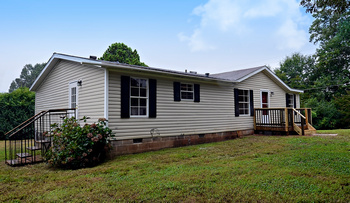 Buying a manufactured home can be an affordable route to homeownership. An FHA loan for a manufactured home makes this dream accessible to many borrowers. The Federal Housing Administration backs these loans, allowing you to purchase a mobile home with a down payment as low as 3.5 percent.
Pennsylvania borrowers have real options when financing a manufactured home. Whether you're a first-time purchaser or experienced homeowner, understanding how FHA home loans for manufactured homes work helps you reach informed decisions. This guide covers everything you need to know about securing an FHA manufactured home loan in your state.
What Is an FHA Loan for a Manufactured Home?
An FHA loan is a mortgage backed by the United States Department of Housing and Urban Development. These loans help borrowers who may have difficulty qualifying for conventional financing. The Federal Housing Administration insures the lender against loss if you default on your payments.
FHA manufactured home loans apply the same principles to mobile homes and modular homes. A lender provides the funds to purchase your home, and HUD insurance protects the lender. You repay the loan over time with interest.
The key difference between an FHA loan and manufactured home financing versus conventional loans lies in flexibility. FHA programs accept lower credit scores and higher debt-to-income ratios. This makes homeownership possible for more Pennsylvania families.
- FHA loans require as little as 3.5% down payment
- Credit scores as low as 500 may qualify
- Debt-to-income limits reach 50 percent or higher
- Mortgage insurance is required but predictable
- No asset or savings requirements apply
FHA Loan Limits for Manufactured Homes in Pennsylvania
FHA loan limits vary by county and property type. For manufactured homes, limits depend on whether the home sits on land you own. The Department of Housing and Urban Development revises these limits annually.
In Pennsylvania, FHA loan limits for single-wide manufactured homes range from $100,000 to $160,000. Double-wide homes typically qualify for limits between $140,000 and $250,000. Your specific county determines the exact amount available.
These FHA manufactured home loan limits represent maximum amounts your lender will finance. If you want to purchase a home above the limit, you must pay the difference out of pocket or secure another source of financing.
| Home Type | Typical PA Limits | Notes |
|---|---|---|
| Single-wide | $100,000 - $160,000 | County-dependent |
| Double-wide | $140,000 - $250,000 | County-dependent |
| Modular home | $250,000 - $340,000 | If permanently affixed |
FHA Loan Requirements for Manufactured Home Borrowers
To qualify for an FHA home loan on a manufactured home, you must meet certain requirements. These standards protect both you and the lender. Understanding them helps you prepare your application.
Your credit score matters, but it doesn't need to be perfect. An FHA-approved lender can work with scores as low as 500. Most lenders prefer a score of 580 or higher for the best terms. Payment history and current debts also factor into approval.
Income verification is essential. Your lender will review your employment history, tax returns, and current pay stubs. Self-employed borrowers require two years of documented income. Your income must be stable and likely to continue.
Debt-to-income ratio represents what you owe versus what you earn. FHA guidelines allow ratios up to 50 percent, though some lenders prefer lower numbers. This means you can carry more monthly debt and still qualify for a loan than with conventional loans.
- Minimum credit score of 500 (580 preferred)
- Valid Social Security number and legal residency
- Stable employment for the past two years
- Verifiable income with tax returns
- Debt-to-income ratio not exceeding 50 percent
- Property must be in Pennsylvania
- Home must meet FHA property standards
Down Payment and Closing Costs for FHA Manufactured Home Loans
One of the biggest advantages of an FHA loan for used mobile home purchases is the low down payment requirement. You can finance a manufactured home with just 3.5 percent down. For a $150,000 home, that's only $5,250.
However, you'll need funds for closing costs. These typically range from 2 to 5 percent of the loan amount. Closing costs cover appraisal fees, title insurance, lender fees, and other services. On a $150,000 purchase, expect $3,000 to $7,500 in costs.
Good news: FHA loans allow the seller to pay up to 6 percent of closing costs on your behalf. This can eliminate your out-of-pocket expense entirely. Ask your lender or real estate agent about seller concessions when making an offer.
Mortgage insurance is another cost factor. The FHA requires an upfront mortgage insurance premium and annual premiums. These get rolled into your monthly payment or financed into the loan balance.
| Cost Item | Typical Amount | Required or Optional |
|---|---|---|
| Down payment | 3.5% | Required |
| Closing costs | 2-5% | Required |
| Upfront mortgage insurance | 1.75% | Required |
| Annual mortgage insurance | 0.55% - 0.80% | Required |
Property Requirements for FHA Manufactured Home Loans
Not every manufactured home qualifies for an FHA manufactured home loan. The property has to meet specific standards set by the Federal Housing Administration. These rules protect you from purchasing an unsafe or uninhabitable home.
For a loan for a mobile home to be FHA-eligible, it must be newer. Generally, the home should be 30 to 40 years old, depending on its condition. Newer homes are more likely to qualify. A professional appraisal determines if the home meets standards.
The land matters too. If you own the land, the home can be permanently affixed to it. The foundation must be permanent and adequate. If renting the lot, you need a long-term lease agreement - typically 10 years or more remaining.
FHA loan and manufactured home combinations require the property to be in good condition. There should be no evidence of damage from flooding, severe weather, or structural problems. Utilities have to be functional and meet code requirements.
- Home must be HUD-titled or have permanent foundations
- Year of manufacture affects eligibility
- No apparent damage or safety concerns
- All utilities have to be operational
- Septic system must be approved (if applicable)
- No evidence of pest infestation
- Roof and exterior must be sound
Types of FHA Loan Programs for Manufactured Homes
Several FHA loan program options exist for manufactured home buyers. Each serves different situations and financial needs. Understanding the differences helps you pick the right option.
FHA Purchase Loans are the most common choice. These allow you to buy a new or used manufactured home. You can use a purchase FHA home loan to buy a home alone or a home plus land. This pliability makes them popular with Pennsylvania borrowers.
FHA Streamline Refinance lets existing borrowers refinance at better rates. You might lower your monthly payment or switch from adjustable to fixed rates. These loans require less paperwork than traditional refinances.
FHA Construction Loans work if you're building a new manufactured home on your land. The loan officer disburses funds as construction progresses. This protects both you and the lender during the building process.
Cash-out refinances allow you to borrow against your home equity. You get cash at closing while refinancing your existing mortgage. Many homeowners use this to fund repairs or consolidate debt.
How to Qualify for an FHA Loan on Your Manufactured Home
The application process for an FHA loan for a manufactured home is simple. Start by finding an FHA-approved lender in Pennsylvania. Not all lenders offer these loans, so ask specifically about manufactured home financing.
Gather your financial documents. You'll need recent pay stubs, two years of tax returns, bank statements, and a list of debts. Your borrower application should be as complete as possible. This speeds up approval.
The lender will order an appraisal to confirm the property's value and condition. The appraisal determines if the home meets FHA standards. If the property doesn't qualify, you may be able to make repairs and reapply.
Underwriting comes next. The lender reviews your entire application for compliance with FHA rules. They verify employment, credit, and income. Questions may arise, and you might need to provide additional paperwork.
Once approved, you'll receive a commitment letter. This outlines loan terms, interest rate, and costs. You can then schedule a meeting with the title company. At closing, you sign documents and receive your new home.
- Find an FHA-approved lender
- Complete the application truthfully
- Provide all required financial documents
- Schedule the home appraisal
- Wait for underwriting review
- Receive approval commitment letter
- Finalize closing and take possession
Advantages of FHA Loans for Manufactured Homes
An FHA manufactured home loan offers many benefits in comparison to conventional financing. These advantages make homeownership possible for more people. If you're considering a home purchase with limited funds, FHA loans deserve serious consideration.
The low down payment requirement stands out immediately. Putting down just 3.5 percent keeps money in your pocket for emergencies and home repairs. You don't need a large nest egg to become a homeowner.
Credit score flexibility represents another major advantage. Even with past credit issues, you might qualify. As long as you can explain problems and show improvement, FHA lenders work with you. This creates opportunities for many Pennsylvania borrowers.
Competitive interest rates make FHA loans affordable. Because HUD insures the loan, lenders can offer rates similar to conventional loans. Your monthly payment stays manageable throughout the life of the loan.
No prepayment penalties means you can pay off your FHA home loan early without fees. Extra payments lower interest and build equity faster. This pliability helps you achieve financial goals on your timeline.
Issues and Considerations for Manufactured Home Financing
Even though beneficial, FHA loan programs come with some considerations. Mortgage insurance is required for all FHA loans. This ongoing cost increases your monthly payment but protects the lender.
The appraisal is stricter for manufactured homes than for site-built houses. Inspectors closely examine age, condition, and safety. Some older manufactured homes won't pass inspection, limiting your options.
Finding a lender experienced with manufactured homes can be challenging. Not all banks or mortgage companies offer FHA home loans on mobile homes. Research and shop around to find the right partner.
Lot rent affects affordability if you don't own the land. Monthly lot fees come in addition to your loan payment and insurance. Budget for these costs when calculating your total housing expense.
- Mandatory mortgage insurance increases costs
- Strict property standards limit inventory
- Fewer lenders offer manufactured home loans
- Lot rent adds to monthly expenses
- Resale value may be lower than site-built homes
- Some HOAs restrict manufactured homes
FHA Manufactured Home Loans vs. Conventional Loans
Comparing FHA loan options to conventional loan products helps you choose wisely. Each approach has strengths depending on your financial situation.
| Feature | FHA Loan | Conventional Loan |
|---|---|---|
| Down payment | 3.5% | 5-20% |
| Credit score | 500+ | 620+ |
| Debt-to-income | Up to 50% | Up to 43% |
| Mortgage insurance | Required | Required if down <20% |
| Interest rate | Competitive | Often lower |
| Processing time | 45-60 days | 30-45 days |
FHA loans win when you have limited savings and a flexible credit history. The low down payment requirement creates quick access. Conventional loans suit borrowers with strong credit and substantial down payments. Both can work for manufactured home purchases.
Getting Started With Your FHA Manufactured Home Loan
Ready to explore FHA loans for your Pennsylvania manufactured home? Start by getting pre-approved. This letter shows sellers you're serious and helps you understand your budget.
Contact multiple FHA-approved lenders and compare rates and terms. Don't apply to everyone at once, but do shop around within a two-week window. Multiple applications in a short timeframe count as one inquiry on your credit report.
Work with a real estate agent familiar with manufactured homes. They understand the unique aspects of these properties and can guide you to appropriate listings. Many agents specialize in mobile homes in Pennsylvania.
Have a home inspection before closing. While the FHA appraisal checks basic standards, a professional inspection reveals additional issues. Knowing the home's condition protects your investment and gives you negotiating power.
Ask your loan officer about all costs before committing. Understand your monthly payment, insurance, and any other fees. Clear communication prevents surprises at closing.
Frequently Asked Questions About FHA Loans for Manufactured Homes
Can I use an FHA loan to buy a manufactured home without owning the land?
Yes, you can purchase a manufactured home on leased land with an FHA loan. However, the lease must extend at least 10 years beyond your loan term. Many lenders prefer longer leases for additional security. Ask your loan officer about specific lease requirements before committing.
What credit score do I need to qualify for an FHA manufactured home loan?
The minimum credit score for an FHA-backed mortgage is 500. However, most lenders prefer a score of 580 or higher for better rates and easier approval. If your score is below 580, you may still qualify, but expect higher interest costs. Working to improve your credit before applying helps you get better terms.
How long does the FHA loan approval process take for a manufactured home?
The FHA home loan approval process normally takes 45 to 60 days. This includes application, appraisal, underwriting, and final approval. Having all papers ready speeds up the process. Your lender can offer a timeline once your application is complete.
Can I refinance my existing manufactured home loan with an FHA Streamline Refinance?
If you have an existing FHA loan, a Streamline Refinance may be available. This option requires less paperwork and, in many cases, no new appraisal. You can lower your interest rate and monthly payment. Contact your current lender to see if you qualify for this program.
What happens if my manufactured home doesn't meet FHA standards during the appraisal?
If the home fails the appraisal for safety or condition reasons, you have options. You can request that the seller make repairs before closing. Alternatively, you might negotiate a price reduction to account for needed repairs. If repairs are too extensive, you can walk away without penalty during the contingency period.
Connect With Us
Please share – it really helps