VA Amendatory Clause: What It Is and Why It Matters
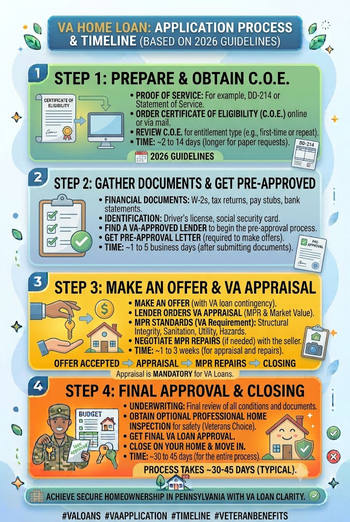 The VA amendatory escape clause form stands as a critical safeguard for veterans utilizing a VA loan to purchase a home. This provision offers protection when a property appraises below the agreed purchase price or when the VA appraisal uncovers significant property defects. Grasping the mechanics of this clause will help you secure your interests when crafting an offer on a home.
What is a VA Amendatory Clause?
Basic Definition
The VA escape clause addendum functions as a contingency embedded within your purchase contract. It grants you an exit strategy if the property fails to meet VA standards or appraises for less than the negotiated amount. This clause activates when the appraised value falls short of the purchase price, or when the VA appraisal identifies defects requiring remediation.
Official Name
Real estate professionals may refer to this document as the VA addendum or VA financing contingency. While terminology varies across states and transaction forms, the underlying protection remains consistent.
Who Uses It?
Every veteran pursuing a home purchase with a VA loan should demand this clause. It is not a suggestion; it is indispensable protection.
What the VA Amendatory Clause Protects
Protection 1: Low Appraisal
When a property appraises below the purchase price, the VA amendatory escape clause form presents you with several avenues forward.
Example: You agree to buy a home for $350,000. The appraisal returns at $330,000. Without the amendatory clause, you would need to cover the $20,000 shortfall out of pocket or forfeit your earnest money. The clause allows you to renegotiate or withdraw without financial penalty.
Your options with the amendatory clause:
- Renegotiate the purchase price downward to match the appraised value
- Cover the difference with additional cash funds
- Terminate the contract while retaining your earnest money
- Request the seller to bridge the valuation gap
Protection 2: VA Property Standards Issues
The VA appraisal serves a dual purpose. Beyond establishing market value, the appraiser inspects the property to verify compliance with VA standards covering safety, sanitation, and structural security. When the appraiser discovers deficiencies, the property may lose its VA-approvable status.
Common VA standard issues:
- Roof leakage or advanced deterioration
- Foundation cracks or progressive settling
- Major plumbing or electrical system failures
- Mold infestation or water intrusion damage
- Pest damage or active infestation
- Safety hazards including broken stairs or missing railings
- Sanitation deficiencies
- Inadequate or absent heating sources
When the appraiser notes these issues, the VA appraisal report documents them clearly. Your lender will likely require repairs before closing proceeds.
With the amendatory clause: You can compel the seller to complete necessary repairs, renegotiate the price downward to accommodate repair costs, or withdraw from the transaction if repairs prove excessive.
Protection 3: VA Loan Financing Contingency
The VA escape clause form incorporates a financing contingency. Should you fail to qualify for the VA loan after submitting your application, this provision allows you to withdraw without forfeiting your earnest money.
Example: You submit an offer containing the VA amendatory clause. After reviewing your financial documentation, the lender determines your debt-to-income ratio exceeds acceptable limits and denies the loan. Without the clause, you would lose your earnest money deposit. With it, you can walk away unscathed.
Why the VA Amendatory Clause Matters
Protects Your Earnest Money
Your earnest money deposit, typically ranging from $1,000 to $5,000 or more, demonstrates your serious intent to the seller. Without the amendatory clause, a low appraisal or VA standard issues could cost you this deposit should you choose to withdraw.
Protects You from Overpaying
VA loans exist to facilitate affordable homeownership for veterans. Paying above appraised value constitutes overpaying. The VA amendatory escape clause form prevents this scenario.
Levels the Playing Field
Competitive markets often pressure buyers to waive contingencies. The amendatory clause serves as your tool for maintaining protection while remaining competitive. Most sellers accept it given its standard status in VA transactions.
Ensures Property Meets VA Standards
VA standards exist for your protection. Properties with roofing deficiencies, foundation problems, or other defects represent poor investments. The amendatory clause guarantees these issues receive attention before closing.
How the VA Amendatory Clause Works
Step 1: You Make an Offer with Amendatory Clause
When submitting your purchase offer, you include the VA escape clause addendum within the contract. The seller must accept or negotiate its terms for the clause to take effect.
Step 2: Appraisal is Ordered
Your lender initiates the appraisal process. The appraiser examines the property, determines its value, and evaluates it against VA standards.
Step 3: Appraisal Results Come Back
Three outcomes may emerge from the appraisal:
Outcome A: Appraisal meets or exceeds purchase price
The transaction proceeds normally without complications. Closing occurs on schedule.
Outcome B: Appraisal is lower than purchase price
The what is a VA amendatory escape clause question becomes relevant here. This clause activates, granting you the right to:
- Terminate the contract without penalty
- Renegotiate the price to match the appraised value
- Pay the difference in cash
- Collaborate with the seller on a compromise
The seller receives notification that the property failed to appraise at the full price. Both parties must then determine a path forward.
Outcome C: Appraisal notes VA standard issues
The appraisal report catalogs deficiencies such as needed roof repairs or foundation problems. Your lender may mandate these repairs before closing.
With the amendatory clause, you can require the seller to complete repairs before closing. Should they refuse, you retain the option to withdraw.
Step 4: Resolution
You and the seller reach an agreement: renegotiated pricing, required repairs, or contract termination. The amendatory clause provides substantial negotiating leverage.
Real-World Examples
Example 1: Low Appraisal
Scenario: You offer $325,000 on a home with the VA amendatory clause included. The property appraises at $310,000.
Without the amendatory clause: You must produce $15,000 additional cash or withdraw and forfeit your earnest money.
With the amendatory clause: You inform the seller: "The property appraised at $310,000. I will proceed at that price or withdraw." The seller can accept $310,000, propose splitting the difference at $317,500, or maintain the $325,000 price knowing you will likely withdraw.
Likely outcome: The seller agrees to $312,000-$315,000 to preserve the transaction.
Example 2: VA Standard Issues
Scenario: You offer $280,000 on a home. The appraisal notes a roof requiring replacement at approximately $8,000. The appraised value remains $280,000, but a repair requirement exists.
Without the amendatory clause: The lender demands the roof be fixed before closing. You negotiate with the seller but possess limited leverage while under contract.
With the amendatory clause: You can require the seller to complete roof repairs before closing or terminate the contract. The seller must decide: fund the repairs, reduce the price to account for the repair cost, or lose the deal.
Likely outcome: The seller either completes the roof work or reduces the price by $4,000-$8,000.
Example 3: Financing Contingency Protection
Scenario: You submit an offer containing the what is the VA amendatory clause provision. Your earnest money totals $3,000. After reviewing your financials, the lender determines you do not qualify due to debt-to-income ratio, credit concerns, or unverified income.
Without the amendatory clause: You might remain obligated to close, or you could forfeit your $3,000 earnest money.
With the amendatory clause: You notify the seller of your loan disqualification. The clause protects you. Your earnest money returns, and the contract becomes void.
Key Terms in the VA Amendatory Clause
Effective Date
The date the clause becomes operative, typically the date both parties sign the contract.
Notice Period
Should the appraisal come in low or reveal VA issues, you must notify the seller within a specific window, usually 3-5 days of receiving the appraisal. Missing this deadline may forfeit your termination rights.
Termination Date
The deadline for deciding whether to proceed, renegotiate, or terminate. This period typically spans 5-10 days after appraisal receipt.
Earnest Money Handling
This section specifies the disposition of your earnest money upon termination. A properly executed amendatory clause ensures its return when appraisal issues or VA standard problems arise.
Common Misconceptions About the VA Amendatory Clause
Misconception 1: "It Means I Don't Need an Inspection"
False. The VA appraisal primarily serves the lender's interests, not yours. Secure a separate home inspection from a qualified professional. The amendatory clause addresses VA-standard issues exclusively, not the full range of findings a home inspector would uncover.
Misconception 2: "The Seller Has to Accept It"
Mostly true. Most sellers accept it given its standard status in VA transactions. However, in competitive markets, some sellers may refuse. You can negotiate, but understand that a seller rejecting this clause increases your risk exposure.
Misconception 3: "It Protects Me from Everything"
False. The clause protects against low appraisals and VA standard deficiencies only. It does not address non-VA-standard issues such as aging HVAC systems, worn carpeting, or cosmetic problems. Obtain a professional home inspection for complete protection.
Misconception 4: "I Can Back Out for Any Reason"
False. You may only terminate when the appraisal is low, VA standards remain unmet, or you fail to qualify for the loan. Changing your mind does not constitute a valid reason for invoking this clause.
How to Use the VA Amendatory Clause in Your Offer
Step 1: Include It in Your Initial Offer
Work with your real estate agent to incorporate the VA escape clause form into your purchase contract. Utilize the standard form applicable to your state, as most jurisdictions offer VA-specific documentation.
Step 2: Make It Reasonable
Establish realistic timelines, such as 5 business days to notify of appraisal issues and 10 days for resolution. Unreasonable terms may prompt seller rejection.
Step 3: Get It in Writing
Avoid verbal agreements. Ensure the amendatory clause appears in the written contract, signed by both parties.
Step 4: Review Carefully
Before signing, thoroughly understand the specific language in your state's form. Wording varies across jurisdictions.
Step 5: Stay Alert
Upon receiving the appraisal, review it immediately. Should it come in low or contain noted issues, notify the seller within the timeframe prescribed by the clause.
What Happens If You Don't Include the Amendatory Clause?
Without It, You're Vulnerable To:
- Low appraisals: You must cover the shortfall or withdraw and forfeit earnest money
- VA standard issues: You negotiate repairs without meaningful leverage
- Seller negotiating power: When the appraisal is low, the seller knows your limited options and may refuse to negotiate
- Earnest money loss: Withdrawing due to appraisal or VA issues could cost you your deposit
Bottom Line
Without the amendatory clause, your protection diminishes substantially. Lenders typically require this clause, making it an embedded feature of VA financing rather than an optional addition.
Negotiating the Amendatory Clause
If Seller Resists
In competitive markets, sellers occasionally attempt to eliminate contingencies. Should the seller refuse the VA amendatory clause:
- Explain its purpose: Emphasize that it protects both parties and remains standard for VA loans
- Offer other concessions: Consider a higher offer price, shorter inspection period, or accelerated earnest money deposit
- Walk away if necessary: A seller rejecting standard VA protections may signal deeper issues
Negotiating Timeline
In hot markets, sellers may request compressed response times. Remain reasonable but avoid impossible deadlines, such as 24 hours to respond to appraisal issues.
Frequently Asked Questions
What is the VA amendatory escape clause form?
The VA amendatory escape clause form is a required document in VA home loan transactions. It protects veterans by allowing them to withdraw from a purchase contract without penalty if the property appraises below the purchase price or fails to meet VA property standards.
Is the VA escape clause addendum required for all VA loans?
Yes, lenders generally require the VA escape clause addendum as a condition of VA loan approval. It is a standard component of VA financing and protects both the borrower and the lender.
What does the VA amendatory clause protect against?
The what is a VA amendatory clause question is answered by understanding its protections: low appraisals, VA property standard deficiencies, and financing contingencies. It does not cover non-VA-standard issues like cosmetic defects or aging appliances.
Can a seller refuse the VA escape clause form?
While a seller can technically refuse the VA escape clause form, doing so is unusual because it is standard in VA transactions. A seller's refusal may indicate they are unwilling to work with VA financing, which could be a red flag for the buyer.
How long do I have to act after receiving a low VA appraisal?
The what is an amendatory clause timeline typically provides 3-5 business days to notify the seller of appraisal issues and 5-10 days to resolve or terminate. These timeframes vary by state and contract terms, so review your specific agreement carefully.
Key Takeaways
- VA amendatory clause is essential protection. It safeguards against low appraisals and VA property standard deficiencies.
- It's standard for VA loans. Most sellers accept it because it is typical in VA transactions.
- Protects your earnest money. Withdraw without losing your deposit when appraisal issues or VA standards problems arise.
- Gives you negotiating power. Low appraisals allow price renegotiation rather than overpaying.
- Only protects specific scenarios. Low appraisal, VA standard issues, and financing contingency are covered, not everything.
- Get a home inspection too. The amendatory clause does not replace a professional home inspection.
- Include it in your written offer. Avoid verbal agreements; ensure it appears in writing.
- Stay alert after appraisal. Notify the seller promptly if issues arise, within the specified timeframe.
- Reasonable terms help acceptance. Unrealistic timelines may prompt seller rejection.
- Know your state's specific language. Forms and terminology vary across jurisdictions.
Bottom Line
The VA amendatory escape clause form ranks among the most valuable tools in your VA homebuying arsenal. It prevents overpaying, shields you from properties with serious defects, and addresses financing contingencies. Every VA buyer should insist on including this clause in their purchase contract. When combined with a professional home inspection, it ensures you acquire a property that is safe, meets VA standards, and carries a fair price. Do not bypass this protection. It exists for your benefit as a veteran buyer.
Connect With Us
Please share – it really helps