Conventional Loan Mold Requirements
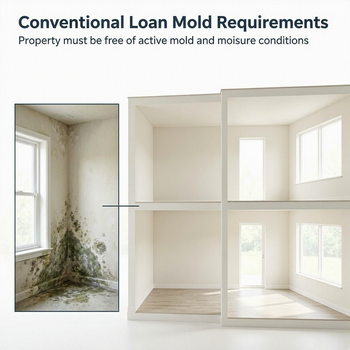 Mold inspection requirements are a critical part of protecting a
property’s value and the well-being of its occupants. For homes
purchased with conventional financing, lenders, appraisers, and
insurers set clear standards for identifying and addressing mold.
Understanding these expectations helps sellers prepare a property
for market and allows buyers to navigate the loan process with
confidence.
Mold inspection requirements are a critical part of protecting a
property’s value and the well-being of its occupants. For homes
purchased with conventional financing, lenders, appraisers, and
insurers set clear standards for identifying and addressing mold.
Understanding these expectations helps sellers prepare a property
for market and allows buyers to navigate the loan process with
confidence.
Mold growth can compromise a home’s structural integrity and create health concerns. For a property to qualify for a conventional loan, it must meet basic safety and habitability standards. Visible mold damage that suggests a structural or moisture-control issue can delay or even prevent financing until the problem is properly resolved.
What Is Considered Problematic Mold Damage?
In the context of a conventional loan, the focus is on fungal growth that affects a home’s structural integrity, safety, or value. Not all visible mold triggers a loan issue. The key distinction is between minor, superficial mold and widespread growth that has damaged building materials or indicates an ongoing moisture problem.
Surface mold on non-porous bathroom tiles or shower stalls is common and generally does not impede loan approval. However, mold growing inside walls, in attics, or within crawl spaces signals a moisture intrusion issue that typically requires repair. Appraisers and inspectors look beyond the visible growth to identify the underlying conditions - such as water damage or poor ventilation - that allowed the mold to develop.
Mold is often found in specific areas:
- Basements and crawl spaces: Due to groundwater or poor drainage.
- Attics: Often from roof leaks or inadequate ventilation.
- Bathrooms and kitchens: From high humidity and steam.
For a conventional loan, any mold that indicates water intrusion or uncontrolled moisture will likely need to be remediated.
The Inspection and Appraisal Process
For conventional loans, the property appraisal includes an assessment for visible mold and conditions that could lead to it. The appraiser is trained to recognize potential red flags, such as water stains, musty odors, or obvious fungal growth. If the appraiser suspects a significant issue, they may note it as a condition for loan approval.
When a property has known or suspected mold problems, a professional mold inspection goes beyond a visual assessment. Specialists use moisture meters and thermal imaging to detect hidden moisture within wall cavities. Air quality testing can measure spore counts, and lab analysis of samples can identify specific mold species. Lenders will typically accept a detailed report from a certified mold inspector when determining whether a property meets their standards.
Honesty is essential in any real estate transaction. Sellers are generally required to disclose known material defects, including mold or past water damage. If an appraiser or inspector uncovers mold that was deliberately concealed, it can lead to a loan denial or the cancellation of the purchase agreement. Full disclosure allows all parties to make informed decisions about necessary repairs.
Common Causes of Mold in Homes
Understanding what causes mold helps homeowners prevent issues that could jeopardize a sale or loan. Mold needs three things to thrive: an organic food source (like wood or drywall), moisture, and a suitable temperature. Since most homes provide the food and temperature, moisture control is the most critical factor a homeowner can manage.
Common moisture sources include:
- Roof leaks that allow water into attics and walls
- Poor exterior drainage that causes water to seep into basements
- Plumbing leaks within walls or under sinks
- High humidity from bathrooms, kitchens, or crawl spaces
- Inadequate ventilation that traps moisture
- Condensation on cold surfaces like windows or uninsulated ductwork
Older homes or those with a history of water damage may harbor hidden moisture within walls or insulation. A property’s location also plays a role; homes in humid climates, near water sources, or in flood-prone areas face a higher risk of mold development.
Remediation Requirements for Loan Approval
If a property has mold damage that affects its safety or habitability, remediation is required before a conventional loan can close. The scope of work depends on the severity of the problem.
- Minor surface mold can often be cleaned by a professional or even a homeowner, provided the moisture source is corrected.
- Extensive mold that has penetrated porous materials like drywall or insulation typically requires professional abatement.
Professional mold remediation follows industry standards to ensure safe and effective removal. This includes containing the affected area to prevent spore spread, removing contaminated materials, and treating remaining surfaces with fungicides. Crucially, the underlying moisture issue - be it a roof leak, plumbing failure, or poor drainage - must be fixed. Simply cleaning the mold without addressing the root cause will not satisfy a lender’s requirements.
After remediation is complete, the property will be re-inspected. This may be done by the original appraiser or another qualified professional to confirm that all visible mold has been removed and that the moisture source has been corrected. Only after passing this final inspection can the loan proceed to closing.
Mold Prevention and Property Value
Preventing mold is far more cost-effective and less stressful than dealing with remediation during a loan process. Homeowners can take simple, proactive steps to protect their property’s value and ensure it remains financeable.
Effective prevention focuses on moisture control:
- Fix plumbing leaks immediately.
- Use ventilation fans during and after showers.
- Ensure gutters and downspouts direct water at least four feet away from the foundation.
- Use dehumidifiers in basements or crawl spaces.
- Maintain consistent indoor temperatures to reduce condensation.
Regular inspections are also key. Checking under sinks, in basements, and in the attic seasonally can help catch small problems before they become major issues that derail a future sale.
A property with unresolved mold issues will typically appraise for less than a comparable home without problems. Appraisers estimate the cost of necessary repairs and deduct that from the market value. If the estimated repair costs are substantial, the appraised value may fall below the purchase price, creating a financing gap. Conversely, a home that has been professionally remediated and has no active moisture issues will appraise at its full market value, making it more attractive to buyers and lenders alike.
Connect With Us
Please share – it really helps