How Do I Make Extra Payments on My Mortgage?
 Are
you looking for a simple way to pay off your mortgage faster and
save money on interest? Making extra payments on your mortgage
can be a powerful strategy to reduce your debt and gain
financial freedom sooner.
Are
you looking for a simple way to pay off your mortgage faster and
save money on interest? Making extra payments on your mortgage
can be a powerful strategy to reduce your debt and gain
financial freedom sooner.
But how exactly do you make these extra payments? What options do you have, and what should you watch out for? This article will guide you step by step through everything you need to know about making extra mortgage payments, helping you take control of your home loan and your future.
Keep reading to discover easy tips that can make a big difference in your mortgage journey.
Benefits Of Extra Mortgage Payments
Making extra payments on your mortgage offers clear benefits. It helps you save money and pay off your loan faster. Small extra amounts can make a big difference over time.
Extra payments reduce the principal balance. This means less interest over the life of the loan. You gain more control over your finances and future.
Reducing Interest Costs
Extra payments go toward the loan principal. This lowers the amount you owe. A lower principal means less interest is charged each month. You save hundreds or thousands of dollars in interest.
Shortening Loan Term
Paying extra cuts down your loan length. You can finish your mortgage years earlier. This gives you freedom from monthly payments sooner. Imagine being mortgage-free and stress-free ahead of schedule.
Building Home Equity Faster
Extra payments boost your home equity quickly. More equity means more financial security. You can borrow against equity if needed. This helps with future expenses or emergencies.
Improving Financial Flexibility
Faster mortgage payoff frees up monthly money. You can use funds for savings or investments. This creates more options for your financial goals. Extra payments offer peace of mind and stability.
Checking Your Mortgage Terms
Review your mortgage terms carefully before making extra payments. Check for any prepayment penalties and how payments are applied. This helps save money and pay off your loan faster.
Understanding Your Mortgage Agreement
Start by reading your mortgage agreement carefully. It has key details about payments. Look for sections about extra payments or prepayments. Some lenders allow extra payments without fees. Others may charge penalties for early payoff. Knowing these rules helps avoid surprises.
Checking For Prepayment Penalties
Some loans include fees for paying off early. These are called prepayment penalties. Check your mortgage terms to see if they apply. Penalties can reduce the benefit of extra payments. Calculate if paying extra still saves money after fees.
Confirming Payment Application Rules
Your lender decides how extra payments apply. Extra money might go to interest first or principal. Ask your lender or check documents to confirm. Directing payments to the principal lowers the total interest. This shortens your loan term and saves money.
Methods To Make Extra Payments
Making extra payments on your mortgage can reduce the loan balance faster. This lowers the total interest paid over time. There are several easy ways to add extra money to your mortgage. Choose a method that fits your budget and schedule. Each method helps you pay off your home sooner.
Lump Sum Payments
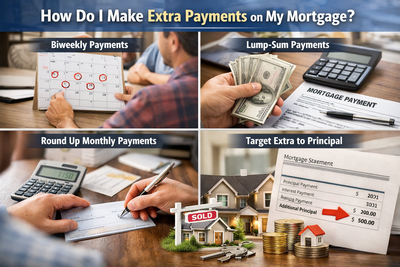
Lump sum payments are large, one-time payments. You can make these whenever you have extra cash. This reduces your principal balance right away. Many borrowers use tax refunds, bonuses, or savings to fund lump-sum payments. Check with your lender to avoid any prepayment penalties.
Biweekly Payments
Biweekly payments split your monthly mortgage into two parts. You pay half your mortgage every two weeks. This adds up to 26 payments a year. That equals 13 full monthly payments instead of 12. This small change helps pay down your loan faster. It also lowers the interest you owe.
Increasing Monthly Amounts
Increasing your monthly payments means paying a bit more each month. Even a small increase can save interest and shorten your loan term. You can add a fixed amount or a percentage to your payment. Make sure your lender applies the extra money to the principal. This method works well if you want steady progress.
Impact On Loan Principal And Interest
Extra payments reduce your loan principal faster. This lowers the total interest you pay over time. Paying more early can shorten your mortgage term.
How Extra Payments Reduce Your Loan Principal
Extra payments go straight to your loan principal. This lowers the amount you owe. A smaller principal means less interest charged. Your monthly payments may stay the same. But more of each payment goes toward paying down the loan. This speeds up your loan payoff.
Effect On Interest Over The Life Of The Loan
Interest is calculated on your remaining principal. Lower principal means less interest each month. Extra payments reduce total interest paid. You save money in the long run. Paying early cuts the loan term. This reduces interest even more.
How Extra Payments Change Your Loan Timeline
Making extra payments shortens your loan length. You can finish paying your mortgage years early. This frees up money for other uses. Early payoff also builds home equity faster. It gives you financial flexibility and peace of mind.
Avoiding Prepayment Penalties
Making extra payments on your mortgage can save you money on interest. It helps pay off your loan faster. But some lenders charge a fee if you pay off your mortgage early. This fee is called a prepayment penalty. Avoiding these penalties is important for saving money and maintaining control of your payments.
Understand Your Loan Terms
Read your mortgage agreement carefully. Look for any clauses about prepayment penalties. Some loans have a set time when penalties apply. Others charge a fee for any extra payment. Knowing these rules helps you plan your payments wisely.
Contact Your Lender
Ask your lender about prepayment penalties. They can explain if and when fees apply. Some lenders allow extra payments without penalty after a certain period. Clear communication prevents surprise charges.
Make Partial Extra Payments
Some loans allow small extra payments without fees. These partial payments reduce your balance. They lower interest over time. Avoid large lump-sum payments that may trigger penalties.
Consider Refinancing
Refinancing can remove prepayment penalties. It replaces your old loan with a new one. Choose a loan with no penalties for extra payments. This option may have costs, but it saves money long term.
Using Extra Payments To Refinance
Using extra payments to refinance can help you pay off your mortgage faster. Extra payments lower the principal balance. A smaller balance can improve your chances of refinancing. This can lead to better loan terms and lower interest rates.
Paying extra each month shows lenders you manage your debt well. This makes you a stronger candidate for refinancing. You may qualify for lower monthly payments or a shorter loan term. Both options save money over time.
How Extra Payments Affect Your Mortgage Balance
Extra payments reduce your loan balance quickly. This means less interest accumulates. Your mortgage principal shrinks faster than with regular payments. A smaller balance often means better refinancing offers. Lenders see you as less risky.
Qualifying For Refinancing With A Lower Balance
Lenders prefer borrowers with lower loan-to-value ratios. Extra payments help lower this ratio. This improves your chances of approval. You may also avoid private mortgage insurance. This saves you money each month.
Timing Your Refinance After Making Extra Payments
Make extra payments consistently before refinancing. This shows steady financial habits. Lenders look for a stable payment history. Refinancing too soon may not reflect your improved balance. Wait a few months to build a strong record.
Tips For Staying Consistent
Making extra payments on your mortgage helps pay it off faster. Staying consistent is key to seeing real savings. Small, steady steps work better than occasional big payments. Here are tips to keep your plan on track.
Set A Clear Budget For Extra Payments
Know how much money you can safely put toward your mortgage. Review your monthly income and expenses carefully. Avoid stretching your budget too thin. Consistency is easier with a realistic amount set aside.
Create A Payment Schedule
Choose a regular time for extra payments. Align it with your payday or bill schedule. Automate payments if possible to avoid forgetting. A set routine builds a strong habit over time.
Track Your Progress Regularly
Monitor how your extra payments reduce your loan balance. Celebrate small wins to stay motivated. Use a simple spreadsheet or an app. Seeing progress makes it easier to keep going.
Avoid Using Extra Money For Other Expenses
Keep your extra payment funds separate from your daily spending money. Resist the urge to dip into this money for other needs. Protect your mortgage goal by treating these funds as untouchable.
Adjust Payments If Your Finances Change
Life changes might affect your ability to pay extra. Lower your extra payment amount during tight times. Increase it again when you have more money. Flexibility helps maintain consistency in the long run.
Frequently Asked Questions
How Can I Make Extra Payments On My Mortgage?
You can pay extra by adding money to your monthly payment or making separate payments. Check with your lender to confirm how to do this.
Will Extra Payments Reduce My Mortgage Term?
Yes, extra payments reduce the loan balance faster, thereby shortening the mortgage term. This means you pay off your home sooner.
Can I Pay Extra Without Penalties?
Many lenders allow extra payments without fees, but some may charge penalties. Always ask your lender about prepayment rules first.
Should I Apply Extra Payments To The Principal Or To The Interest?
Applying extra money to the principal reduces your loan balance faster. This saves you interest over time.
How Often Can I Make Extra Mortgage Payments?
You can make extra payments as often as your lender permits. Both monthly and one-time payments help reduce your loan.
Conclusion
Making extra payments on your mortgage saves you money and time. It lowers your loan balance faster. You pay less interest overall. Even small extra amounts help a lot. Check with your lender about payment rules. Choose a method that fits your budget.
Stay consistent and watch your debt shrink. Extra payments bring financial freedom sooner. Start today and take control of your mortgage. Simple steps lead to big savings.
Connect With Us
Please share – it really helps