Negative Credit Comparison: Can You Still Buy a Home?
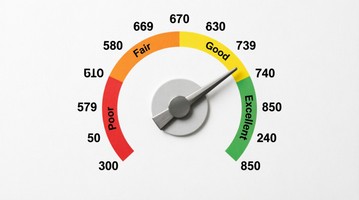
Your credit isn't perfect - and that's okay. Life happens: job loss, medical emergencies, unexpected expenses. If you've got collections, charge-offs, or late payments on your record, you're not alone. The good news? You can still buy a home. FHA, VA, USDA, and conventional lenders all have pathways for borrowers with credit challenges. This guide breaks down exactly how your negative credit affects each loan program, what waiting periods apply, and what you need to do to get approved.
Quick Reference: Negative Credit by Program
Use this table to see how each loan program treats the most common credit issues at a glance.
| Credit Event | FHA | VA | Conventional | USDA |
|---|---|---|---|---|
| Bankruptcy (Chapter 7) | 2 years from discharge | 2 years from discharge | 4 years from discharge | 2 years from discharge |
| Bankruptcy (Chapter 13 in plan) | 12 months on-time payments + court approval | 12 months on-time payments + court approval | 2 years after discharge | 12 months on-time payments (if all made) |
| Medical Collections | Excluded from DTI | Excluded from DTI | Excluded from DTI | Excluded from DTI |
| Non-Medical Collections ≤$2,000 | No DTI impact | No DTI impact | Lender discretion | No standard DTI charge |
| Non-Medical Collections $2,000 | 5% of balance to DTI | 5% of balance to DTI | Lender discretion | Underwriter discretion |
| Charge-offs | No DTI impact | No DTI impact | No DTI impact | No DTI impact |
| Late Payments (30+ days, within 12 months) | Manual underwriting required | Manual underwriting required | Manual underwriting required | Underwriter review |
How Negative Credit Affects Your Score
Different credit events damage your credit score by different amounts. The table below shows typical impact ranges and how long each event remains on your credit report. Keep in mind that older negative items have less impact on your score than recent ones.
| Credit Event | Score Impact | Severity | Duration on Report |
|---|---|---|---|
| Bankruptcy | 130-200 points | Severe | 7-10 years |
| Mortgage/Rent Late (90+ days) | 100-150 points | Severe | 7 years |
| Foreclosure | 130-200 points | Severe | 7 years |
| Short Sale | 100-150 points | Severe | 7 years |
| Collections (90+ days late) | 50-100 points | Serious | 7 years |
| Charge-off | 50-100 points | Serious | 7 years |
| Credit Card Late (30 days) | 30-50 points | Moderate | 7 years |
Bankruptcy Waiting Periods
The waiting period after bankruptcy depends on the chapter filed and the loan program you're applying for. Chapter 7 bankruptcy typically requires a longer wait than Chapter 13. However, Chapter 13 borrowers can sometimes apply while still in the repayment plan if they've made 12 months of on-time payments and received court approval.
| Loan Type | Chapter 7 (Discharge) | Chapter 13 (In Plan / Post-Discharge) |
|---|---|---|
| VA Loans | 2 years from discharge | 1 year of on-time payments in plan (with court approval); no wait after discharge |
| FHA Loans | 2 years from discharge | 1 year of on-time payments in plan (with court approval); no wait after discharge |
| Conventional Loans | 4 years from discharge | 2 years after discharge (or 4 years after dismissal) |
| USDA Direct Loan | 2 years from discharge | 1 year of on-time payments in plan (if all payments made) |
| USDA Guaranteed Loan | 3 years from discharge | 1 year of on-time payments in plan (allowed with on-time payments) |
- For Chapter 13 bankruptcies, you can apply for FHA/VA/USDA loans while still in the repayment plan after 12 months of on-time payments and court approval.
- There is no additional waiting period after discharge for FHA/VA/USDA.
- For conventional loans, you must wait 2 years after discharge is received (not from filing date).
- If your Chapter 13 case is dismissed instead of discharged, conventional lenders typically require 4 years from dismissal.
Collection Accounts
Collections are treated differently depending on whether they're medical or non-medical, and the amount owed. Medical collections are excluded from DTI calculations across all programs. Non-medical collections under $2,000 are also treated favorably, but larger balances may add to your monthly debt-to-income ratio.
Medical Collections vs. Non-Medical Collections
All four loan programs (FHA, VA, Conventional, USDA) exclude medical collections from DTI calculations, regardless of the balance. Non-medical collections are treated more strictly, especially if they exceed $2,000.
| Collection Type | FHA | VA | Conventional | USDA |
|---|---|---|---|---|
| Medical Collections | No DTI impact | No DTI impact | No DTI impact | No DTI impact |
| Non-Medical ≤ $2,000 | No DTI impact | No DTI impact | Lender discretion | No standard DTI charge |
| Non-Medical $2,000 | 5% of balance = monthly DTI charge | 5% of balance = monthly DTI charge | Lender discretion (varies) | Underwriter discretion |
| Disputed Non-Medical ($1,000) | Manual underwriting required; older than 24 months may be excluded | Case-by-case review | Lender discretion | Underwriter discretion |
How the 5% Rule Works
For FHA and VA loans, if you have a non-medical collection over $2,000, the lender calculates 5% of the outstanding balance and adds it to your monthly DTI. For example:
- $10,000 collection = $500/month added to your DTI ($10,000 × 0.05)
- $5,000 collection = $250/month added to your DTI
- $2,500 collection = $125/month added to your DTI
If you set up a formal written payment plan with the collection agency, FHA and VA will use your agreed monthly payment instead of the 5% calculation. This can significantly lower your DTI impact. Example: If you have a $10,000 collection but agree to pay $200/month, the lender charges $200 to DTI instead of $500.
Charge-offs
A charge-off occurs when a creditor writes off a debt as a loss after you stop paying. Unlike collections, charge-offs do not add to your DTI on any loan program. However, they still damage your credit score and may require explanation during underwriting, especially if recent (within 12-24 months).
| Charge-Off Type | FHA | VA | Conventional | USDA |
|---|---|---|---|---|
| Non-Government Debt Charge-off | No DTI impact; no payoff required | No DTI impact; no payoff required | No DTI impact; no payoff required | No DTI impact; no payoff required |
| Government Debt Charge-off | May require resolution or additional waiting period | May require resolution | May require resolution | May require resolution |
| Charge-off Within 12-24 Months | Requires strong explanation; may trigger manual underwriting | Requires explanation; underwriting review | Requires explanation; underwriting review | Underwriter discretion |
| Charge-off Older Than 2 Years | Generally acceptable with minor explanation | Generally acceptable | Generally acceptable | Generally acceptable |
A charge-off is a creditor's decision to stop collection efforts. A collection is when the debt is sold to a third-party collector. Charge-offs hurt your score but don't add monthly debt. Collections under $2,000 don't add debt either, but collections over $2,000 add 5% of the balance to your DTI on FHA/VA loans.
Late Payments (30, 60, 90 Days)
Late payments are one of the most serious credit issues for mortgage approval. Any mortgage payment that is 30 or more days late within the past 12 months triggers mandatory manual underwriting on FHA and VA loans. This doesn't automatically mean denial - it means your application will be reviewed by a human underwriter who will consider compensating factors like down payment, credit score recovery, and your explanation.
FHA Late Payment Guidelines
| Late Payment Scenario (Within 12 Months) | Approval Likelihood | Manual Underwriting Required | Notes |
|---|---|---|---|
| One 30-Day Late Payment | Possible | Yes | Approval possible with acceptable explanation, compensating factors, and 10%+ down payment. |
| Two 30-Day Late Payments | Possible (lower odds) | Yes | Stronger compensating factors needed: higher down payment, excellent credit since incident, significant reserves. |
| Three or More 30-Day Lates | Unlikely | Yes (Required) | Denial likely unless exceptional compensating factors or extenuating circumstances are documented. |
| One 60-Day Late Payment | Unlikely | Yes (Required) | Strong compensating factors required for approval consideration. |
| One or More 90-Day Late Payments | Unlikely | Yes (Required) | Must demonstrate no late payments for entire past 12 months. Extenuating circumstances documentation essential. |
VA Late Payment Guidelines
| Late Payment Scenario (Within 12 Months) | Approval Likelihood | Clean Payment History After | Notes |
|---|---|---|---|
| One 30-Day Late Payment | Possible with conditions | 12+ months recommended | May be allowed if 12+ months of on-time payments follow. Lender overlays vary. Residual income and compensating factors matter. |
| Multiple 30-Day Lates | Unlikely | 12+ months required | Typically results in denial or requires significant waiting period and strong compensating factors. |
| One 60-Day Late or Higher | Unlikely | 12+ months required | Typically results in denial. Lender overlays generally prohibit. Extenuating circumstances may allow consideration after sufficient clean history. |
Manual underwriting is not automatic denial - it's a deeper review of your application. The underwriter will look at your compensating factors: How much are you putting down? What's your current credit score? Do you have savings or investments? Have you had perfect payment history since the late payment? A strong explanation and solid compensating factors can lead to approval even with a recent late payment.
2026 Key Rules & Updates
- Collections over $2,000: FHA and VA apply 5% of the outstanding balance as a monthly DTI charge for non-medical collections exceeding $2,000. Setting up a formal payment plan allows the agreed payment to be used instead of the 5% calculation.
- Medical Collections Excluded Across All Programs: FHA, VA, conventional, and USDA all exclude medical collections from DTI calculations. Medical collections under $500 no longer appear on credit reports as of recent credit bureau updates.
- Chapter 13 Bankruptcy Timing: FHA/VA/USDA borrowers can apply while in Chapter 13 repayment plan after 12 months of on-time payments with court approval. No additional wait after discharge. Conventional requires 2 years after discharge.
- Late Payments Trigger Manual Underwriting: Any mortgage late payment (30+ days) within 12 months requires manual underwriting for both FHA and VA. "Auto-approval" is not available. Approval depends on loan-to-value, down payment, credit score, compensating factors, and written explanation.
- Charge-Offs Do Not Add DTI: Unlike collections, charge-offs do not trigger a 5% DTI charge on any program. However, they still affect credit score and underwriting decision - especially if within 12-24 months.
- Lender Overlays Apply: Official guidelines may allow charge-offs or collections without payoff, but individual lenders often impose stricter requirements. Shop multiple lenders for the best terms.
Next Steps
If you have negative credit, the best approach is to:
- Get a copy of your credit report and dispute any errors.
- Contact a mortgage lender to discuss which loan program is the best fit for your situation.
- If you have collections over $2,000, consider setting up a payment plan to lower your DTI impact.
- Document any extenuating circumstances (job loss, medical emergency) that led to late payments or charge-offs.
- Focus on making all payments on time going forward - recent positive history helps offset past negative events.
Information provided on this website is for informational purposes only and is not intended as legal, financial, or professional advice. All terms, rates, and program availability are subject to change without notice. Qualification and approval are subject to credit evaluation, income verification, and applicable lending guidelines. Please consult a licensed mortgage professional for personalized guidance.
Connect With Us
Please share – it really helps