Conventional Loans and Asbestos Requirements: What Homebuyers Need to Know
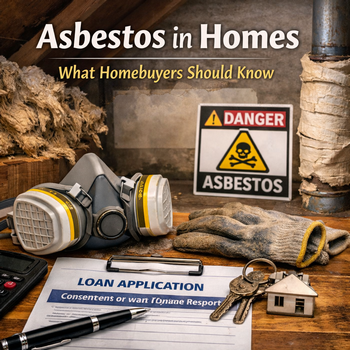 When obtaining a conventional loan, lenders require thorough property inspections to protect their investment. One critical aspect of this process involves identifying potential environmental hazards, including asbestos. Asbestos, a naturally occurring mineral fiber once widely used in building materials, poses significant health risks when disturbed and can substantially impact a property's value and insurability. Understanding asbestos requirements in the context of conventional financing is essential for homebuyers and sellers alike.
What Is Asbestos and Why It Matters
Asbestos was extensively used in construction materials throughout much of the 20th century due to its fire-resistant and insulating properties. Common locations include insulation, floor tiles, roofing materials, pipe wrapping, siding, and acoustic ceiling tiles. When asbestos-containing materials (ACM) deteriorate or are disturbed during renovation, they release microscopic fibers into the air that can cause serious health problems, including mesothelioma, lung cancer, and asbestosis.
Conventional Loan Appraisal and Asbestos Inspections
While conventional lenders typically do not explicitly require asbestos testing as a loan condition, appraisers are trained to identify visible signs of asbestos-containing materials during their inspections. If an appraiser observes suspect materials, they will note this in the appraisal report. Properties with known or suspected asbestos may receive a lower appraisal value, which can affect loan approval and the amount a lender is willing to finance.
When Asbestos Inspection Becomes Necessary
If an appraisal flags potential asbestos issues or if the property was constructed before the 1980s (when asbestos use was more common), lenders may recommend or require a professional asbestos inspection. Additionally, if a buyer's home inspection identifies potential ACM, it's advisable to pursue specialized testing. A qualified environmental consultant or industrial hygienist should conduct formal asbestos inspections and testing to determine whether materials actually contain asbestos.
Impact on Conventional Loan Terms
Confirmed asbestos in a home can have several implications for conventional financing. First, the property may be considered a higher liability risk, potentially affecting insurance availability and premiums. Second, the appraisal value may be reduced to account for remediation costs. Third, some lenders may require proof of remediation by a licensed contractor before finalizing the loan. In severe cases, significant asbestos contamination could make conventional financing difficult to obtain.
Remediation and Removal Options
If asbestos is confirmed, homeowners have several options. For materials in good condition and unlikely to be disturbed, encapsulation or sealing may be sufficient. For deteriorated or problematic ACM, professional removal by a licensed asbestos abatement contractor is necessary. This process involves careful containment, removal, and proper disposal of contaminated materials. Remediation costs can vary significantly based on the extent of contamination and the locations involved, ranging from a few hundred to several thousand dollars.
Documentation and Disclosure
Transparency is critical in the conventional loan process. Sellers are typically required to disclose known asbestos or ACM to buyers. Some states have specific disclosure requirements regarding environmental hazards. Buyers should request any available documentation about past asbestos inspections or remediation. Full disclosure helps avoid complications during underwriting and protects both parties from future disputes.
Buyer Protections and Due Diligence
Even though conventional lenders may not mandate asbestos testing, buyers should prioritize professional home inspections that include assessment for potential ACM. Many inspection reports will note materials that could contain asbestos. For properties built before 1980, consider requesting a specialized asbestos survey as part of your due diligence. This investment can provide peace of mind and help avoid purchasing a property with hidden remediation costs.
Working with Your Lender
Communication with your conventional loan lender is essential if asbestos concerns arise. Provide your lender with copies of any inspection reports and professional assessments. If remediation is necessary, keep documentation of all work completed by licensed contractors. Your lender will specify any additional requirements before loan approval, which typically includes proof that remediation meets applicable environmental standards.
Frequently Asked Questions
Do conventional lenders require asbestos testing before loan approval?
Conventional lenders do not typically mandate asbestos testing as a standard loan requirement. However, if an appraiser identifies suspected asbestos-containing materials during the inspection, the lender may recommend or require testing. Additionally, some lenders have specific requirements if the property was built before 1980 or if visible ACM is noted in the appraisal report. It's best to discuss asbestos concerns directly with your lender during the loan process.
Can I get a conventional loan on a home with asbestos?
Yes, you can typically obtain a conventional loan on a home with asbestos, provided the materials are in good condition and properly managed. However, the presence of asbestos may affect the property's appraised value and could result in a lower loan amount. If asbestos is deteriorated or poses a risk, your lender may require professional remediation before loan approval. The key is transparency and working with your lender to address any concerns.
How much does asbestos removal cost?
Asbestos removal costs vary widely depending on the extent of contamination, the location of materials, and local labor rates. Small remediation projects might cost $500 to $2,000, while whole-house abatement can exceed $10,000 or more. Encapsulation or sealing, when appropriate, is typically less expensive than full removal. Always obtain quotes from licensed asbestos abatement contractors and factor these costs into your overall home purchase budget if needed.
What should I do if my home inspection report mentions possible asbestos?
If your home inspector identifies materials that could contain asbestos, don't panic - many older homes have ACM that is stable and non-threatening. Request a formal asbestos inspection and testing by a qualified environmental consultant or industrial hygienist to determine whether the materials actually contain asbestos. Once you have test results, share them with your lender and discuss next steps. You may be able to negotiate remediation costs with the seller or proceed with conditions in your purchase agreement.
Is asbestos disclosure required when selling a home for a conventional loan?
Yes, in most states, sellers are required to disclose known asbestos or suspected asbestos-containing materials to buyers. Failure to disclose can result in legal liability and complicate the conventional loan process. If you're a seller, be transparent about any past inspections, remediation, or known ACM. If you're a buyer, ask for complete disclosure documentation and review it carefully before finalizing your purchase agreement.
Conclusion
Asbestos requirements in conventional lending are not as prescriptive as with some government-backed programs, but the issue remains important for both lenders and borrowers. Understanding the role of asbestos in property appraisals, inspection protocols, and potential remediation costs allows buyers to make informed decisions and avoid financing complications. Whether you're purchasing a post-war home or an older property, proactive inspection and disclosure practices protect your investment and ensure a smoother path to loan approval.
Connect With Us
Please share – it really helps