Foundation Cracks in Homes: Inspection and Repair
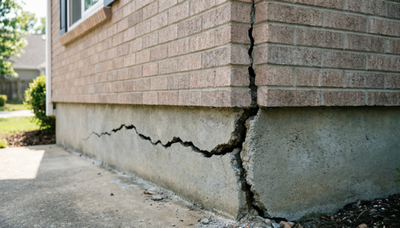 Foundation cracks can indicate structural problems that affect a
property’s eligibility for conventional financing. Significant
foundation damage can threaten home safety, decrease property value,
and potentially impact a buyer’s ability to secure a loan. Lenders
typically require an inspection of foundation cracks to determine
whether repairs are needed before loan approval. Understanding
foundation crack severity and repair requirements helps homeowners
protect their properties and obtain financing.
Foundation cracks can indicate structural problems that affect a
property’s eligibility for conventional financing. Significant
foundation damage can threaten home safety, decrease property value,
and potentially impact a buyer’s ability to secure a loan. Lenders
typically require an inspection of foundation cracks to determine
whether repairs are needed before loan approval. Understanding
foundation crack severity and repair requirements helps homeowners
protect their properties and obtain financing.
Foundation cracks often develop from soil settling, water damage, or structural stress. Minor cracks are usually cosmetic and do not affect structural integrity, while significant cracks may indicate serious problems requiring professional assessment. In the conventional lending space, the key distinction is between minor surface cracks and cracks that suggest structural failure. Proper evaluation determines what remediation is necessary before loan closing.
Types of Foundation Cracks and Their Causes
Foundation cracks fall into several categories based on cause and severity.
- Hairline cracks: Thin surface cracks that rarely indicate serious problems; they often occur naturally as concrete cures.
- Vertical cracks: Run straight down foundation walls and may suggest differential settling or concrete shrinkage.
- Diagonal cracks: Appear at 45-degree angles and indicate structural stress from settling or movement.
- Horizontal cracks: The most serious type, often indicating structural failure. These develop when lateral pressure from soil or water pushes on foundation walls and threaten structural integrity.
- Stair-step cracks: Found in brick or block foundations, following mortar joints and indicating settlement.
The pattern and location of cracks help professionals diagnose underlying problems. Water damage, for instance, causes many foundation cracks in basements and crawl spaces. Moisture entering from outside forces concrete to expand and contract, while freeze-thaw cycles can cause ice to form in cracks, expanding them further. Poor drainage around foundations creates hydrostatic pressure that can crack walls. Identifying water as a cause helps determine appropriate remediation that addresses root problems.
Soil settling under foundations also creates stress. Clay soils shrink and swell with moisture changes, and insufficient soil compaction during construction can allow settling after homes are built. Tree roots near foundations can destabilize soil, causing settlement cracks.
Conventional Foundation Inspection Standards
For a conventional loan, appraisers inspect foundations during property evaluation to identify cracks and damage. Appraisers visually examine accessible foundation areas, including basements and crawl spaces, documenting crack location, size, direction, and apparent cause. Large cracks or patterns suggesting structural problems typically trigger recommendations for professional inspection. The appraiser’s assessment helps determine whether foundation cracks affect the property’s condition and value.
If serious foundation damage is identified, a professional structural engineer is often called in to evaluate and recommend repairs. Engineers use specialized equipment to measure crack widths and determine whether cracks are active. Moisture testing can reveal whether water intrusion is contributing to the problem. The engineer’s report guides remediation decisions and is often required by lenders when appraisers identify significant foundation cracks.
Foundation Crack Repair and Treatment Methods
Minor cosmetic cracks can be sealed using concrete caulk and sealant products, and homeowners may address these themselves. However, for significant foundation cracks - especially those identified during the loan process - professional repair is typically required. Larger cracks often need injection of concrete patching compounds or epoxy. Professional contractors ensure repairs meet structural standards and provide lasting solutions.
- Concrete crack injection: Fills cracks with polyurethane or epoxy materials. Technicians drill small holes along cracks and inject high-pressure sealant, which penetrates deep to create a water-tight seal. This method works well for both vertical and diagonal foundation cracks.
- Basement wall repairs: Address cracks combined with water damage. Installing interior or exterior waterproofing systems prevents moisture from damaging foundations. Carbon fiber reinforcement can stabilize walls affected by structural cracking, and steel wall support systems provide additional bracing for severely compromised walls.
- Foundation underpinning: Stabilizes settling foundations to prevent new cracks. Helical piers or push piers support foundations on stable soil layers. While expensive, this method provides permanent solutions for serious settling problems.
Foundation Crack Repair Costs and Financing
Foundation crack repair costs depend on crack severity, repair method, and extent of damage.
| Crack Type | Severity | Typical Repair Cost | Repair Method |
|---|---|---|---|
| Hairline cracks | Cosmetic only | Under $100 | Caulk and sealant |
| Vertical cracks | Minor to moderate | $500 – $2,000 | Crack injection |
| Diagonal cracks | Moderate stress | $1,000 – $3,000 | Injection and reinforcement |
| Horizontal cracks | Serious structural | $3,000 – $10,000+ | Wall support systems |
| Multiple with settling | Critical | $10,000 – $50,000+ | Underpinning or reconstruction |
Sellers often complete foundation crack repairs before listing properties. Professional repairs with warranties can boost buyer confidence and help the home appraise higher. Buyers may also finance repairs as part of their conventional loan, allowing them to acquire properties needing foundation crack repair without large upfront cash requirements.
Foundation Cracks and Property Appraisals
Properties with foundation cracks often receive lower appraisals than comparable properties without damage. Appraisers typically deduct repair costs from property value, and significant foundation damage can reduce appraisal value substantially. If the appraisal falls below the purchase price, buyers may face loan complications.
Appraisers assess whether foundation cracks indicate cosmetic issues or structural problems. Hairline cracks may not reduce appraisal value significantly, but structural cracks often do. Documentation of professional repairs and long-term warranties supports property value. When repairs are completed before the appraisal, buyers and appraisers see resolved problems rather than deferred maintenance, which supports fair market value and a smoother loan process.
Water Damage and Foundation Cracks
Water intrusion can accelerate foundation crack expansion and damage. Moisture entering through cracks may cause concrete to deteriorate, and freeze-thaw cycles can worsen the problem. Active water damage typically requires both crack repair and waterproofing solutions.
Basement moisture can indicate that foundation cracks are allowing water entry. Visible moisture, mold, or efflorescence staining are signs of water problems. Complete remediation should address water sources and seal foundation openings. Common waterproofing measures include:
- Interior waterproofing systems to manage water entering through foundation cracks
- Exterior waterproofing to prevent water from reaching foundation walls
- Proper grading to direct water away from foundations
- Sump pumps to remove water accumulating in basements
- Drainage tiles around foundations to prevent water buildup against walls
Foundation cracks combined with water damage can create serious problems affecting property habitability. Complete remediation must address both water sources and crack repair.
Monitoring and Preventing Future Foundation Cracks
Homeowners can monitor foundation cracks to determine whether they are active or stable. Placing masking tape across cracks can show whether movement continues. Taking photographs and measurements tracks crack growth over time. Stable cracks do not grow, while active cracks require attention.
Proper drainage prevents many foundation cracks. Gutters, downspouts, and proper grading direct water away from homes. Foundation drains remove groundwater before it builds pressure against walls. Regular foundation inspections also help identify developing problems early, allowing preventive treatment before issues worsen.
Disclosure and Legal Requirements for Foundation Cracks
Sellers typically must disclose known foundation damage and cracks to potential buyers. Failure to disclose foundation cracks can violate consumer protection laws in many states. Buyers who discover undisclosed foundation damage may have legal recourse. Lenders may also withdraw loan approval if sellers conceal material property problems.
Home inspectors often identify foundation cracks during property inspections, documenting crack location, size, and apparent cause. Appraisers also note foundation damage during property evaluation. Complete disclosure protects both buyers and sellers and allows for informed decision-making.
Buyers should request foundation repair history and documentation from sellers. Records of completed work, contractor certifications, and warranties demonstrate professional remediation. If records are unavailable, buyers can order professional foundation inspections to satisfy loan requirements.
Frequently Asked Questions About Foundation Cracks
Are all foundation cracks serious problems? No, not all foundation cracks are serious. Hairline cracks are typically cosmetic and do not affect structural integrity. Vertical cracks from concrete shrinkage or minor settling are often not serious. However, horizontal cracks, stair-step patterns, and cracks wider than one-quarter inch may indicate structural problems requiring professional evaluation.
Can I repair foundation cracks myself? Homeowners can repair minor hairline cracks using concrete caulk and sealant products. However, for significant cracks - especially those identified during the loan process - professional repair is usually required. Larger cracks often need specialized equipment and commercial-grade materials for proper injection.
How much does foundation crack repair cost? Minor cosmetic crack repair typically costs under $100. Professional repair of moderate cracks ranges from $500 to $2,000. Structural repairs, including wall support systems, can cost $3,000 to $10,000 or more. Major underpinning or reconstruction may range from $10,000 to $50,000 or more. Many conventional loan borrowers can finance repairs as part of their loan amounts.
Will foundation cracks prevent loan approval? Foundation cracks do not automatically prevent loan approval if they are properly addressed. Minor cracks affecting only appearance may not affect approval. Significant structural cracks typically require professional repair before loan funding. Properties with completed repairs and warranties generally satisfy lender requirements. Addressing foundation issues early in the loan process helps avoid delays.
How do I know if foundation cracks are active or stable? Placing masking tape across cracks can show whether movement continues over time. Photographs and measurements can track changes in crack size. Professional tell-tale gauges provide precise measurement of crack movement. Stable cracks have not changed in width or length over months, while active cracks continue growing. Professional engineers can determine crack status and recommend appropriate repairs.
Connect With Us
Please share – it really helps