FHA Mold Requirements and Home Inspection Standards
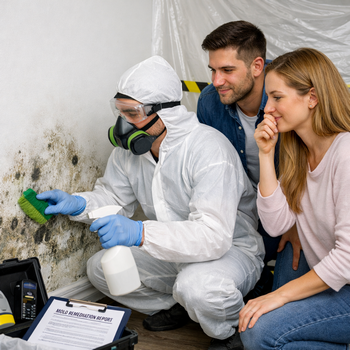 If
you're buying a home with an FHA loan, mold is one issue
that can derail your purchase. The Federal Housing
Administration takes mold seriously because it threatens
your health and your investment. The good news:
understanding what FHA inspectors look for gives you time to
fix problems before they block your financing.
If
you're buying a home with an FHA loan, mold is one issue
that can derail your purchase. The Federal Housing
Administration takes mold seriously because it threatens
your health and your investment. The good news:
understanding what FHA inspectors look for gives you time to
fix problems before they block your financing.
Mold doesn't just look bad - it damages your home and your health. When you apply for an FHA loan, the appraiser will inspect for mold damage, and if it's found, your loan won't close until the problem is fixed. That's why knowing what inspectors check for and how to handle mold issues is so important.
What FHA Considers Mold Damage
Here's what matters: not every speck of mold will fail your FHA appraisal. The FHA distinguishes between minor surface mold (which you find on bathroom tiles and is easily cleaned) and serious damage that signals bigger moisture problems. When an appraiser spots mold, they're really looking for whether it shows a water intrusion or ventilation problem that threatens the home's structure and could affect mortgage insurance.
You'll find surface mold on bathroom tiles and shower walls in almost every home - and that typically won't block your FHA approval for refinancing. But if mold is growing inside walls, in the attic, or in your crawl space, that's a red flag that could affect your existing mortgage. It means water is getting in somewhere it shouldn't, and that's what the FHA cares about. Inspectors look beyond the visible mold to find the moisture problem causing it.
Mold shows up in different places depending on where moisture is coming from. Basements and crawl spaces get wet from groundwater or poor drainage around the foundation. Attics develop mold after roof leaks. Bathrooms and kitchens stay damp from steam and humidity. Wherever the FHA appraiser finds mold, they'll require you to fix the moisture problem causing it before closing.
FHA Mold Inspection Process
When you get an FHA appraisal, the appraiser isn't just estimating value - they're also inspecting the house for defects, including mold. Appraisers are trained to spot mold and figure out whether it's a cosmetic issue or a sign of serious water damage. They document what they find and determine how it affects the property's value and loan-worthiness for any future cash-out refinancing.
FHA appraisals follow specific guidelines (Handbook 4000.1) that require appraisers to report any observable mold and conditions suggesting moisture problems. If the appraiser finds mold, they issue what's called a "conditional" appraisal - meaning the property needs repairs before you can close.
If the appraiser finds extensive mold or can't determine what's causing it, they may order a professional mold inspection. A mold specialist goes deeper than a visual check. They use moisture meters and thermal imaging to find hidden moisture in walls and cavities. They run air quality tests to measure mold spores and identify the specific type of mold. Lab testing confirms what's there and helps determine the best fix before applying for a home equity loan. The FHA accepts these professional reports when deciding what repairs are needed.
As a buyer, you need to know: sellers are legally required to disclose known mold problems. If a seller hides mold from the inspector and you find out later, you have legal recourse against them, which could affect your new loan approval. But more importantly, if the appraiser discovers mold the seller should have disclosed, the deal can fall apart, possibly affecting closing costs. Honesty about mold saves time and protects everyone involved.
Causes of Mold Development in Homes
Mold needs three things to grow: something to eat (wood, drywall, insulation), moisture, and the right temperature. Most homes have plenty of the first and last - it's moisture that's the culprit. Control the moisture and you control the mold.
Here's where moisture problems typically start, which can also influence your credit score if not addressed.
- Roof leaks allowing water intrusion into attics and upper walls
- Poor exterior drainage causing groundwater to seep into basements
- Plumbing leaks creating persistent moisture in walls and crawl spaces
- High humidity from bathrooms and kitchens promoting mold growth
- Inadequate ventilation preventing moisture from escaping living spaces
- Condensation on cold surfaces when indoor moisture meets cold walls
Older homes have a higher risk of mold because they've had years to collect moisture in walls and insulation. Even if the water damage happened years ago, the moisture can still be hiding inside. The FHA knows this, and they scrutinize older homes and anything with a history of flooding or repeated water intrusion more carefully.
Health Risks Associated with Mold
Mold isn't just an FHA problem - it's a health problem. When you breathe in mold spores, they can trigger allergies, worsen asthma, and cause respiratory infections. People with weak immune systems are especially vulnerable. Children and elderly people can be hit hard by mold exposure. That's one big reason the FHA insists on fixing mold before you move in.
The FHA takes this seriously. They won't approve a loan for a home with mold because they're protecting your health and ensuring that the mortgage insurance premium can be justified. A moldy house isn't just worth less - it's unhealthy to live in. When you fix the mold before closing, you're protecting yourself and your family.
Some types of mold are worse than others. Black mold (Stachybotrys) produces toxins that cause serious problems - neurological symptoms, severe fatigue, and more. Long-term exposure to mold is dangerous and can affect your ability to qualify for a mortgage. When an appraiser or mold specialist identifies problematic mold species, they'll recommend professional remediation to ensure the property is viable for FHA cash-out refinancing.
Mold Remediation and FHA Requirements
Here's the bottom line: any mold found during appraisal must be fixed before your FHA loan closes. How extensive the fix needs to be depends on how bad the mold is and what's causing it. A little surface mold might just need cleaning and moisture control. Serious mold affecting structural materials requires professional removal and structural repairs. Either way, the FHA won't approve the loan until the root cause is fixed.
When mold is significant, you need professionals. They use containment procedures so mold spores don't spread during cleanup, which is crucial for maintaining a good interest rate on your new loan. They remove contaminated materials - drywall, insulation, anything that's affected. They dispose of it properly and treat the remaining surfaces with fungicides. The FHA accepts this work when it's done by qualified professionals following industry standards.
Here's what a lot of people miss: just cleaning mold without fixing the water problem is a waste of money. The mold will come right back. That's why the FHA requires you to fix the real problems - repair roof leaks, improve drainage around the foundation, fix plumbing leaks, improve ventilation. The appraiser will come back and check that these repairs were actually done before approving the loan.
After repairs are done, the appraiser comes back for a reinspection. They confirm that the mold is really gone and that the moisture problems are actually fixed. You can't move to closing until the appraiser signs off on the repairs.
FHA Appraisal Standards for Mold Issues
Your FHA appraiser has specific standards they follow (detailed in Handbook 4000.1) when evaluating mold. They're asking: does this mold make the house unsafe or unfit to live in? A little surface mold won't automatically fail the appraisal. But mold that points to serious moisture problems will stop the loan in its tracks. The appraiser's decision is crucial to whether you get approved.
The FHA requires properties to be in "acceptable condition." That means safe, sound, and livable, which is essential for securing a favorable mortgage. If the appraiser finds mold or evidence of active moisture problems, the property fails this standard. You get what's called a conditional appraisal with specific repairs listed. Get those repairs done and the property can pass.
You'll get a detailed appraisal report showing what the appraiser found. It includes photos of the mold, descriptions of what's causing it, and a clear list of repairs needed. You know exactly what has to be done and can plan accordingly. No surprises at closing.
If the mold damage is extensive or the cause isn't obvious, the appraiser may order a professional mold inspection. That adds cost and time, but for serious problems it's necessary. Lab testing gives clear documentation of what's there and how to fix it.
Mold Testing and Documentation
Mold testing pinpoints what type of mold you have and how many spores are in the air. Air quality tests measure spore levels. Surface samples identify the specific fungal species. Moisture meters find hidden water in walls. Testing gives you hard data about the problem.
The FHA doesn't require testing for every moldy house. Obvious mold visible to the appraiser is obvious. Testing becomes important when you can't see the full picture - when mold might be hidden in walls or the extent is unclear. The FHA accepts professional testing reports when they help evaluate problem properties.
After remediation, you can get testing done to prove the mold is gone. Air quality testing shows spore levels are back to normal, which is essential for meeting the minimum credit score requirements. This documentation supports the reinspection and helps satisfy FHA requirements. Some buyers request clearance testing before closing just to have peace of mind.
Mold and Property Value in FHA Loans
Mold hits you in the wallet. Homes with mold appraise for less than similar properties without it. The appraiser reduces the property value by the estimated cost of repairs, which can affect your FHA cash-out refinance options. If that estimated cost is high, the appraisal can drop below your purchase price. That's when you run into real problems getting approved.
Your loan amount is based on appraised value. When mold reduces that value below purchase price, your FHA loan amount drops. You have two choices: pay more out of pocket or negotiate a lower price with the seller. If repair costs are huge and property value is low, the deal might not make sense anymore.
Fixing mold costs money, but the FHA understands that maintaining home equity is important for borrowers. Repair costs vary wildly. Surface mold cleanup might run five hundred to two thousand dollars. Extensive remediation with structural repairs can hit twenty thousand or more. The good news: if the seller pays for repairs before you buy, the problem goes away and the property gets full value. Some FHA programs let you roll reasonable repair costs into your loan amount if you're paying.
If a seller fixes mold before listing, they usually recover the repair costs through a higher sale price. The investment in clearing mold makes the home marketable and gets FHA approval. These homes sell faster and attract more qualified buyers.
Regional Mold Concerns and Climate Factors
Where you live affects your mold risk. Humid regions see faster mold growth and bigger problems. Coastal homes get hit by moisture-laden air and salt spray. Flood-prone areas develop mold after water events. The FHA adjusts their expectations based on local climate.
The South and coastal states have more mold problems than northern regions. Wet climates mean year-round mold conditions. If you're buying in a humid area, take extra care with dehumidification and ventilation. The FHA might be more particular about mold in high-risk regions.
Mold problems change with the seasons. Winter heating creates condensation on cold surfaces, which can negatively impact your credit score if it leads to mold issues that affect your existing mortgage. Summer humidity promotes indoor moisture issues. Spring flooding brings temporary water intrusion. The FHA requires homes to handle all these seasonal challenges without developing mold. Your drainage, ventilation, and moisture control need to work year-round.
Disclosure and Legal Issues Regarding Mold
Sellers must disclose known mold problems. It's the law in most states regarding FHA mortgage requirements. If a seller hides mold and you find out, you can back out of the deal or sue. The FHA expects honest information. If the appraisal reveals undisclosed mold, the lender may withdraw approval and the deal falls apart.
Real estate agents and sellers have a legal duty to disclose mold. Known moisture problems, previous water damage, visible mold - all of it has to be reported. You can't pretend you don't know when the signs are obvious. The FHA appraisal usually uncovers hidden problems anyway. Honesty saves everyone headaches and legal trouble.
As a buyer, get a professional home inspection. It reveals mold and moisture problems before you commit. With that information, you can negotiate repairs, ask for a price reduction, or walk away. A good inspection pays for itself if it uncovers a problem.
Mold Prevention Strategies for Homeowners
Prevention beats remediation every time - it's cheaper and simpler. You can stop mold before it starts with basic maintenance and smart moisture control. These strategies protect your home's value and keep your FHA approval solid.
Moisture control is step one. Fix plumbing leaks right away - even small drips create mold conditions. Run your bathroom and kitchen fans during and after showers to pull out humidity. Open windows when you can to let air circulate. Make sure downspouts send water at least four feet away from your foundation. Keep gutters clear so water flows properly away from the house.
Control humidity to prevent condensation and mold. A dehumidifier works wonders in damp basements and crawl spaces. Air conditioning removes humidity while cooling, helping to prevent mold growth that could jeopardize your FHA mortgage. A programmable thermostat lets you keep consistent temperatures that mold doesn't like. In winter, opening blinds during the day lets sun warm up and dry damp areas.
Check for problems regularly to maintain your home equity and avoid complications during the refinance process. Look at basements and crawl spaces a few times a year for moisture to protect your home equity. Look under sinks to spot early plumbing leaks. Check your attic after heavy rain for roof leaks. Catch problems early and they're cheap to fix. Mold under ten square feet you can handle yourself. Anything bigger needs a professional.
Frequently Asked Questions About FHA Mold
Can a house with mold qualify for an FHA loan?
Yes - but only if you fix the mold before closing. The FHA isn't against moldy houses; they're against approving moldy houses. Get qualified professionals to handle remediation and address the moisture problem causing the mold. After repairs are done, the appraiser comes back and confirms everything is fixed. Once they sign off, your FHA loan can close.
Who pays for mold remediation in an FHA loan transaction?
Usually the seller does. But it's negotiable. You might agree to fix it yourself and ask for a lower price. Some FHA programs let you roll repair costs into your loan if you're paying. Either way, the work has to be done and inspected before closing on your refinance loans, including any FHA refinance options. Make sure both of you understand who's responsible.
How much does professional mold remediation cost?
It depends on how bad it is and whether the issues can be resolved before securing a conventional cash-out refinance. Surface mold: five hundred to two thousand dollars. Moderate damage in attics or crawl spaces: two thousand to ten thousand dollars. Extensive damage: ten thousand to fifty thousand dollars or more. The more structural repairs you need, the higher the cost, potentially impacting your refinancing options. Get estimates from contractors after they see the actual problem to understand the potential impact on your home equity.
Can I clean mold myself to save money?
For tiny areas, sure - bleach or a commercial mold cleaner works. But professional help is necessary for anything more than ten square feet or mold in walls, attics, or crawl spaces. The FHA requires professional work for significant damage. DIY mold removal spreads spores and makes things worse. Professionals have the equipment and procedures to do it right and ensure it meets FHA standards.
Will mold problems prevent FHA loan approval permanently?
No. Mold is fixable. Once you fix it and address the moisture problem, you're good. But here's the thing: if a property has a pattern of mold problems - kept coming back - the FHA gets skeptical. Properties with serious structural water damage are risky too. Be cautious about homes with a long history of water intrusion. The FHA wants remediation that actually solves the problem long-term, not temporary fixes that let it happen again.
Connect With Us
Please share – it really helps