FHA Loans and Radon in Multifamily Housing
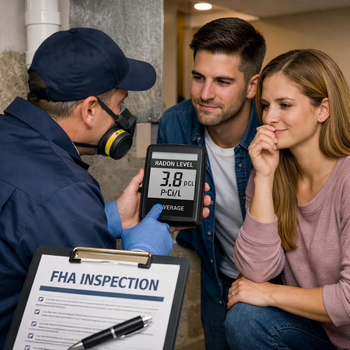 If you're financing a multifamily property with an FHA loan, radon testing is something you need to know about. The Federal Housing Administration requires radon testing for multifamily properties because radon is a real health hazard that you can't see or smell. Understanding what the FHA requires regarding radon helps you navigate the appraisal process and know what to expect before closing.
Radon is a radioactive gas that comes from the ground and seeps into buildings through cracks and gaps. It builds up in lower levels and common areas where it can reach dangerous concentrations. The good news: radon is manageable, and multifamily properties with radon can still qualify for FHA loans if the problem is identified and mitigated.
Important Note: FHA radon testing requirements apply to multifamily properties (5+ units). For single-family homes, the EPA recommends radon testing, but the FHA does not mandate it as part of the appraisal process, though it may be identified if conditions suggest radon risk.
What FHA Considers Radon Damage
The FHA doesn't reject homes just because radon is present. What matters is whether radon levels are safe or dangerous. If radon testing shows levels below the EPA action level of 4.0 picocuries per liter (pCi/L), the property is acceptable. But if levels are above 4.0 pCi/L, remediation is required before the FHA will approve the loan.
Radon enters homes through foundation cracks, gaps around pipes, soil contact areas, and other openings. It concentrates in basements and crawl spaces because those areas have direct contact with soil. Upper floors typically have lower radon levels. The appraiser will note whether the property has features that suggest radon risk - like a basement, crawl space, or visible foundation problems.
The FHA requires appraisers to observe properties for conditions that could allow radon entry. If the appraiser suspects radon, they may recommend testing. Unlike mold or asbestos, radon can only be detected through professional testing - you can't see it or smell it.
FHA Appraisal Standards for Radon
FHA appraisers follow Handbook 4000.1 guidelines when evaluating properties for radon risk. The appraiser doesn't test for radon during the standard appraisal. Instead, they note whether conditions suggest radon could be a problem. Properties with basements, crawl spaces, or foundation damage are at higher risk.
The FHA requires properties to be in "acceptable condition" - safe, sound, and livable. If radon testing shows levels above the EPA action level, the property fails to meet this standard. You'll receive a conditional appraisal that requires radon remediation before closing.
The appraiser documents any conditions in the property that suggest radon risk. They note foundation cracks, basement moisture, crawl space ventilation, and other factors affecting radon entry. This information helps you understand why radon testing might be necessary.
If radon levels are high, the appraiser will require professional radon remediation before the loan can close. The remediation approach depends on radon level severity and property characteristics. Sometimes simple fixes work. Sometimes more comprehensive systems are needed.
Health Risks Associated with Radon
Radon is dangerous. When you inhale radon gas over time, radioactive particles lodge in your lungs and damage lung tissue. Radon is the second leading cause of lung cancer after smoking. Long-term exposure to high radon levels significantly increases lung cancer risk. Smokers face even higher risk from radon exposure.
Children are at risk because they spend more time indoors and their lungs are developing. People with asthma or other respiratory conditions may experience worsening symptoms in homes with high radon. Extended exposure affects anyone living in the home.
The FHA prioritizes homeowner health by requiring radon levels to be tested and remediated. They won't approve a loan for a home where occupants face elevated radon exposure. When you fix the radon problem before closing, you're protecting your family's health.
The EPA recommends testing for radon in all homes. They set the action level at 4.0 pCi/L - the level above which remediation is recommended. Most U.S. homes have radon levels below this action level, but many don't. Testing is the only way to know.
Radon Testing and Detection
The FHA doesn't require radon testing for every property. But if the appraiser notes conditions suggesting radon risk, testing becomes necessary. Short-term radon tests measure levels over two to three days. Long-term tests run for 90 days or longer and provide more accurate average radon levels.
Professional radon testing uses specialized equipment and follows EPA protocols. Testers place detectors in the lowest lived-in level of the home - usually the basement or first floor. They seal windows and doors during testing to get accurate readings. Results show whether radon levels are safe or require remediation.
Some buyers request radon testing before making an offer. This gives you information before you commit to the property. You can use test results to negotiate remediation or request a lower price. The test costs a few hundred dollars but can reveal a significant problem.
Alternatively, wait for the FHA appraisal process. If the appraiser recommends testing based on property conditions, the seller typically pays for it. Test results determine whether remediation is needed before closing.
Homeowners can also request testing after purchasing. Annual radon testing helps monitor whether remediation systems are working properly. Testing confirms the home remains safe.
Radon Remediation and FHA Requirements
Any radon problem found during appraisal must be fixed before your FHA loan closes. The extent of remediation depends on how high radon levels are and property characteristics. Simple fixes might lower radon enough. Serious problems may require professional radon systems.
Radon remediation typically involves improving ventilation and reducing radon entry. Common approaches include sealing foundation cracks, improving drainage around the foundation, and installing active soil depressurization systems. The remediation method depends on radon levels and what's causing the problem.
Active soil depressurization is the most effective radon mitigation technique. A pipe draws radon from below the foundation and vents it above the roofline where it disperses into the atmosphere. Specialized equipment uses a small fan to maintain negative pressure in the soil. This system works for most homes with elevated radon.
Passive radon systems use natural airflow to move radon out of the home. They work better in some climates than others. If passive systems don't reduce radon levels enough, active systems can be added later.
Professional radon contractors design and install remediation systems. The FHA requires work be completed by qualified professionals. After remediation is installed, the home must be re-tested to confirm radon levels are below the EPA action level.
Appraisers verify remediation by reviewing radon test results confirming levels are acceptable. You can't close until post-remediation testing shows radon is below 4.0 pCi/L.
Radon and Property Value in FHA Loans
High radon levels reduce property value and affect FHA loan decisions. Homes with elevated radon appraise lower than similar properties with safe radon levels. The appraiser estimates remediation costs and deducts that from property value. If remediation costs are high, the appraisal can drop below purchase price.
Your loan amount is based on appraised value. When radon remediation reduces that value below purchase price, your FHA loan amount drops. You either pay more yourself or negotiate a lower price with the seller. If remediation costs are substantial, the deal might not work financially.
The FHA recognizes that radon remediation requires investment. Active soil depressurization systems typically cost two thousand to five thousand dollars installed. Sealing and other passive approaches cost less. Some FHA programs allow you to include reasonable remediation costs in your loan amount with proper documentation.
If the seller fixes radon before listing, they usually recover remediation costs through a higher sale price. Fixing radon makes the home marketable and gets FHA approval. These homes sell faster and attract more qualified buyers.
Radon Disclosure and Legal Issues
Sellers must disclose known radon problems. It's the law in most states. If a seller knows radon levels are high and doesn't tell you, you have legal recourse. The FHA expects honest transaction information. If testing reveals radon that the seller didn't disclose, the lender may withdraw approval.
Real estate agents and sellers have a legal obligation to disclose radon. Known test results showing elevated radon, previous remediation work, and radon system maintenance history must be reported. You can't claim ignorance when evidence exists. The FHA appraisal often identifies radon problems anyway. Being honest saves everyone trouble.
As a buyer, get a professional radon test. Testing before you commit gives you information to negotiate with. Test results become part of your due diligence. If radon is found, you can require remediation as a condition of purchase.
Some states have radon disclosure laws that require sellers to disclose radon testing results if available. Even without state requirements, the FHA appraisal process will identify whether radon is an issue.
Radon Prevention and Management
Preventing radon buildup is simpler than installing remediation systems later. If your home has radon levels below the action level, basic maintenance keeps it that way. Seal cracks in foundations and walls. Keep gutters and downspouts clean so water drains away from the home. Maintain good ventilation in basements and crawl spaces.
Basement waterproofing reduces radon entry. When basements stay dry, there's less opportunity for radon to seep in. Proper grading directs water away from foundations. Sump pumps with sealed discharge pipes help manage groundwater.
Crawl space ventilation reduces radon concentration. Opening vents or installing mechanical ventilation allows air to circulate and prevents radon from building up. Some homes benefit from sealing crawl space vents and installing a radon system instead.
Annual radon testing after remediation confirms systems are working. Testing every two years is common for homes with radon history. If levels start rising, you can address it before it becomes a problem.
Radon mitigation systems require periodic maintenance. Fans need occasional checking to ensure they're operating. Pipes should be inspected for damage. Professional contractors can perform annual maintenance to keep systems working properly.
Frequently Asked Questions About FHA and Radon
Can a house with high radon qualify for an FHA loan?
Yes - if you fix it. High radon levels must be reduced below the EPA action level of 4.0 pCi/L before closing. Once remediation is installed and post-remediation testing confirms radon is safe, the FHA will approve the loan. The remediation must be completed and verified before closing.
Who pays for radon remediation in an FHA transaction?
Usually the seller pays if radon is discovered during the appraisal process. But it's negotiable. You might agree to pay for remediation and request a lower purchase price. Some FHA programs let you include remediation costs in your loan with proper documentation. The requirement is that remediation must be completed and verified before closing.
How much does radon remediation cost?
Costs depend on radon levels and what method is needed. Sealing foundation cracks and improving drainage might cost five hundred to fifteen hundred dollars. Active soil depressurization systems typically cost two thousand to five thousand dollars installed. More complex systems or homes with severe radon issues can cost more. Get estimates from professional radon contractors.
Should I get radon testing before making an offer?
Yes, consider it. Pre-purchase testing gives you information before commitment. You can use results to negotiate remediation or price. The test costs a few hundred dollars. Or wait for the FHA appraisal process to flag radon and address it then. Early testing gives you more negotiating power.
What radon level is safe according to the FHA?
The FHA follows EPA standards. The action level is 4.0 picocuries per liter (pCi/L). Radon below this level is considered acceptable. Above 4.0 pCi/L, remediation is required. Post-remediation testing must confirm radon is below 4.0 pCi/L before the loan closes.
Will radon problems prevent FHA loan approval permanently?
No. Radon is fixable. Once you install remediation and testing confirms levels are safe, FHA approval moves forward. Radon isn't a permanent disqualifier - it's a manageable problem. Thousands of homes with radon history successfully close FHA loans every year after remediation.
Connect With Us
Please share – it really helps