FHA Termite Inspection Requirements
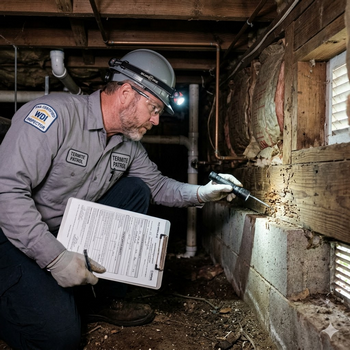 When
you're buying a home with an FHA loan, a termite
inspection is part of the appraisal process and directly
affects your loan approval. The Federal Housing
Administration requires appraisers to spot signs of
termite damage and active infestations because termites
really do compromise structural integrity and make homes
unsafe to occupy. Understanding what the FHA expects
regarding termite inspections helps you know what's
coming and how to handle termite problems if they arise.
When
you're buying a home with an FHA loan, a termite
inspection is part of the appraisal process and directly
affects your loan approval. The Federal Housing
Administration requires appraisers to spot signs of
termite damage and active infestations because termites
really do compromise structural integrity and make homes
unsafe to occupy. Understanding what the FHA expects
regarding termite inspections helps you know what's
coming and how to handle termite problems if they arise.
Termites are wood-eating insects that cause serious structural damage over time. Unlike mold or asbestos, termites are active pests - they keep causing damage as long as they're living in your home. The FHA won't approve a loan for a home with an active termite infestation or significant damage from past infestations unless you get treatment and complete repairs.
What FHA Considers Termite Damage
The FHA doesn't automatically reject homes just because termites showed up at some point in the past. What really matters is whether that termite damage affects structural safety. If your home had termites years ago and they were treated, and the repairs are all wrapped up, the FHA will approve your loan. But if termites are currently active or if the damage is extensive, you'll need to get remediation done before closing.
Termite damage looks like hollow wood, mud tubes on foundation walls, or visible wood deterioration. Appraisers look for these signs during the inspection. They'll check your floor joists, basement walls, crawl spaces, and wooden support structures. Damage in main support beams or floor framing is way more serious than damage in trim or non-structural wood.
The FHA requires properties to be in "acceptable condition" for mortgage insurance. Severe termite damage that affects structural safety doesn't meet that standard. You'll get a conditional appraisal requiring termite treatment and structural repairs before your loan can close.
FHA Appraisal Standards for Termite Inspection
FHA appraisers follow Handbook 4000.1 guidelines when they're evaluating your property for termite damage. The appraiser doesn't perform a full pest inspection - that's not really their job. Instead, they observe your property during the standard appraisal and note any visible signs of termite activity or damage.
What Appraisers Look For
- Mud tubes on foundation walls or crawl space surfaces
- Hollow-sounding or visibly damaged wood in structural elements
- Wood that appears soft, crumbly, or deteriorated
- Swarmers (winged termites) or termite wings near windows or lights
- Blistered paint or wood grain distortions suggesting internal damage
- Visible galleries or tunnels in wood members
- Foundation cracks that could provide termite entry points
The appraiser documents any concerns in their report. If they suspect termite activity but aren't completely sure, they may recommend a professional termite inspection. Your lender typically requires a pest inspection if the appraiser flags concerns.
Termite Inspection Requirements
If the appraiser suspects termites, a professional pest inspection becomes necessary. State law often requires a termite inspection as part of real estate transactions. Many states mandate pest inspections in areas with higher termite risk. A licensed pest control professional must perform the inspection.
Inspection Process
- Pest control professional examines foundation, crawl spaces, basement, and attic
- Inspector uses specialized equipment (moisture meters, wood-damaging pest detectors) to assess conditions
- Report documents any evidence of termite activity, damage, or conducive conditions
- Treatment recommendations are included if needed
- Report is provided to the lender and becomes part of the loan file
Professional termite inspections typically run you between one hundred fifty and five hundred dollars, depending on your property size and complexity. The cost is usually shared or negotiated between you and the seller.
Types of Termite Damage and FHA Response
Type, Severity Level, FHA Response, Remediation. If termites are found, your treatment options depend on the termite species, the location of the infestation, and the severity of the damage. Professional pest control companies use multiple approaches to eliminate termites and prevent their return.
Liquid Barrier Treatments
Liquid termiticides create a chemical barrier around your foundation. The treatment gets applied in the soil around your home's perimeter or injected into wall cavities. This approach keeps termites from entering your structure. Liquid barriers typically last 5 to 10 years, depending on the product and your soil conditions.
Bait Station Systems
Bait stations get installed around your property perimeter. Termites feed on the bait and return to the colony, spreading the active ingredient throughout the colony. This approach eliminates the entire colony, not just individual termites. Bait systems do require ongoing monitoring and maintenance on your part.
Wood Treatment
Damaged wood components get treated with termiticide or replaced entirely. If your structural wood's severely damaged, it's got to be replaced. Non-structural trim or siding can sometimes be treated and preserved. A pest control professional determines the right treatment approach for your specific situation.
Moisture Control and Prevention
Eliminating moisture really does reduce termite risk. Grading improvements, gutter maintenance, and foundation drainage reduce water buildup around your home. Proper ventilation in your crawl spaces brings down humidity. These preventive measures work alongside chemical treatments to keep termites away.
Structural Assessment and Repair
When termite damage is significant, a structural engineer might need to assess your property. The engineer figures out whether the damage affects structural safety or load-bearing capacity. If you need structural repairs, a contractor will complete the work before closing.
Common Structural Repairs
- Floor joist replacement where damage is severe
- Beam sistering (reinforcing damaged beams with new wood)
- Header or rim board replacement
- Sill plate repair or replacement
- Foundation crack sealing to prevent future termite entry
Structural repairs can get expensive, ranging from a few hundred dollars for minor work to several thousand dollars for major joist or beam replacement. The cost affects your property appraisal and might reduce your loan amount.
Termite Treatment Costs and Negotiations
Termite treatment and repair costs vary depending on the extent of the infestation and the damage. Basic treatment of active termites without structural damage typically runs you one thousand to three thousand dollars. Extensive infestations with structural repairs can go over ten thousand dollars.
| Scope, Typical. In FHA transactions, the seller typically pays for termite treatment if the issue is discovered during the appraisal process. That's negotiable, though. You may choose to pay for treatment and request a lower purchase price. Some lenders allow you to include treatment costs in your loan amount if they're properly documented. |
|---|
Termite Damage and Property Value
Termite damage reduces your property value and affects appraisals. The appraiser estimates repair costs and deducts that amount from your home's value. If termite treatment and structural repairs are substantial, the appraisal can drop significantly below your purchase price.
Your loan amount is based on the appraised value. When repair costs reduce appraisal value below what you're paying, your FHA loan amount drops. You either pay more out of pocket or negotiate a lower purchase price with the seller. If repair costs are very high, the deal might not work financially for you.
Pre-purchase termite inspections help you understand the scope of any problem before you make an offer. If your home has a history of termite treatment, ask for documentation. Previous treatment records help the appraiser figure out whether the problem's been resolved.
Termite Prevention and Maintenance
Preventing termites is way easier than dealing with an infestation. Regular maintenance and moisture control really do significantly reduce your termite risk.
Prevention Steps
- Maintain proper grading so water drains away from the foundation
- Keep gutters and downspouts clean and functioning
- Install and maintain proper foundation ventilation
- Remove wood debris, mulch, and dead trees near the home
- Maintain wooden decks and porches to prevent rot and termite entry
- Seal cracks and gaps in the foundation
- Install and maintain pre-treatment barriers if applicable
- Have regular pest inspections in high-risk areas
Pest control companies offer annual or biennial inspections to catch termite activity early. These inspections cost you between $150 and $300 per year, but can prevent really costly damage.
Termite Disclosure and Legal Issues
Sellers must disclose any known termite problems. It's the law in most states. If a seller knows termites are present or were previously treated and doesn't tell you, you've got legal recourse. The FHA expects honest transaction information.
Ask sellers for their termite treatment history and any pest inspection reports. Documentation of previous treatment helps you understand your property's pest history. If the home was treated, the seller should give you proof of treatment and any warranty information.
As a buyer, you should request a professional pest inspection before you make an offer. That inspection report becomes part of your due diligence. You can use the results to negotiate treatment costs or request a price reduction.
Frequently Asked Questions About FHA and Termites
Can a house with a history of termite treatment qualify for an FHA loan?
Yeah, absolutely. A history of termite treatment doesn't disqualify a property. What matters is whether the infestation was properly treated and whether you've repaired the damage. If the appraiser sees evidence of past treatment without current activity, and your structural repairs are complete, the FHA will approve your loan.
Will the FHA appraisal always include a termite inspection?
No, not necessarily. The appraiser observes your property during the standard appraisal. If they spot signs of termite activity or damage, they'll flag it. If no concerns show up, you won't need a separate pest inspection. That said, state law or lender requirements might mandate a pest inspection regardless.
Who pays for termite treatment in an FHA transaction?
Usually, the seller pays if termites show up during the appraisal. It's negotiable, though. You may choose to pay for treatment and request a lower purchase price. The key requirement is that any active termite infestation must be treated and verified before closing.
What if termite damage is found, but the property has no active infestation?
If the damage is from a past infestation with no current activity, you might still need repairs if the damage affects structural safety. A structural engineer assesses whether repairs are needed. The appraiser verifies that your property is safe before approving the loan.
Can I buy a home with active termites using an FHA loan?
No. Active termites have got to be treated before closing. The treatment must be completed and verified by a licensed pest control professional. Your lender requires proof that the treatment is complete before they release the loan funds.
How long does termite treatment take?
Basic liquid barrier treatment can often be wrapped up in one day. Bait systems require initial installation plus ongoing monitoring. Structural repairs take longer depending on how extensive the damage is. Most termite treatment gets completed within a few days to a few weeks, allowing your closing to proceed.
Connect With Us
Please share – it really helps